Category: Medications - Page 3
State Generic Substitution Requirements: Complete 50-State Reference
Generic substitution laws vary by state, affecting how pharmacists swap brand-name drugs for cheaper generics. Learn which states require substitution, mandate patient consent, protect pharmacists from liability, and treat biosimilars differently.
Read More
How to Prevent Wrong-Patient Errors at the Pharmacy Counter: Proven Strategies That Work
Wrong-patient errors at the pharmacy can cause serious harm - but they're preventable. Learn how dual-identifier verification, barcode scanning, and patient counseling reduce errors by up to 89%.
Read More
Addressing Patient Concerns About Generic Medications: Common Questions Answered
Get clear, factual answers to common concerns about generic medications. Learn why generics are just as safe and effective as brand-name drugs, how they're regulated, and when to ask your doctor about switching.
Read More
How to Talk to Patients About Generic Medications Without Losing Their Trust
Learn how to effectively communicate with patients about generic medications to improve adherence, reduce fear, and increase trust-without using jargon or assumptions. Real strategies that work in practice.
Read More
Are Generic Drugs as Safe as Brand Names? The Clinical Evidence Explained
Clinical evidence shows generic drugs are just as safe and effective as brand names for most people. Learn when generics work well-and when consistency matters more than cost.
Read More
Provider Education on Generics: How Clinicians Can Improve Patient Outcomes with Generic Medications
Learn how provider education on generics improves prescribing habits, patient adherence, and healthcare costs. Discover FDA standards, common myths, and practical steps clinicians can take today.
Read More
Physician Liability When Prescribing Generic Drugs: What Doctors Need to Know in 2026
Physician liability for prescribing generic drugs has surged since Supreme Court rulings shielded manufacturers from lawsuits. Doctors now face increased legal risk-and must adapt their documentation and prescribing habits to avoid malpractice claims.
Read More
How to Safely Transfer Prescriptions and Keep Label Accuracy
Learn how to safely transfer prescriptions while avoiding dangerous label errors. Understand DEA rules, label requirements, and patient steps to prevent medication mistakes in 2026.
Read More
Osteoporosis Medications: Understanding Bisphosphonate Risks and Jaw Necrosis
Bisphosphonates are highly effective for osteoporosis, reducing fracture risk by up to 70%. While jaw necrosis (MRONJ) is a rare side effect, understanding the real risks and prevention steps is key to safe treatment.
Read More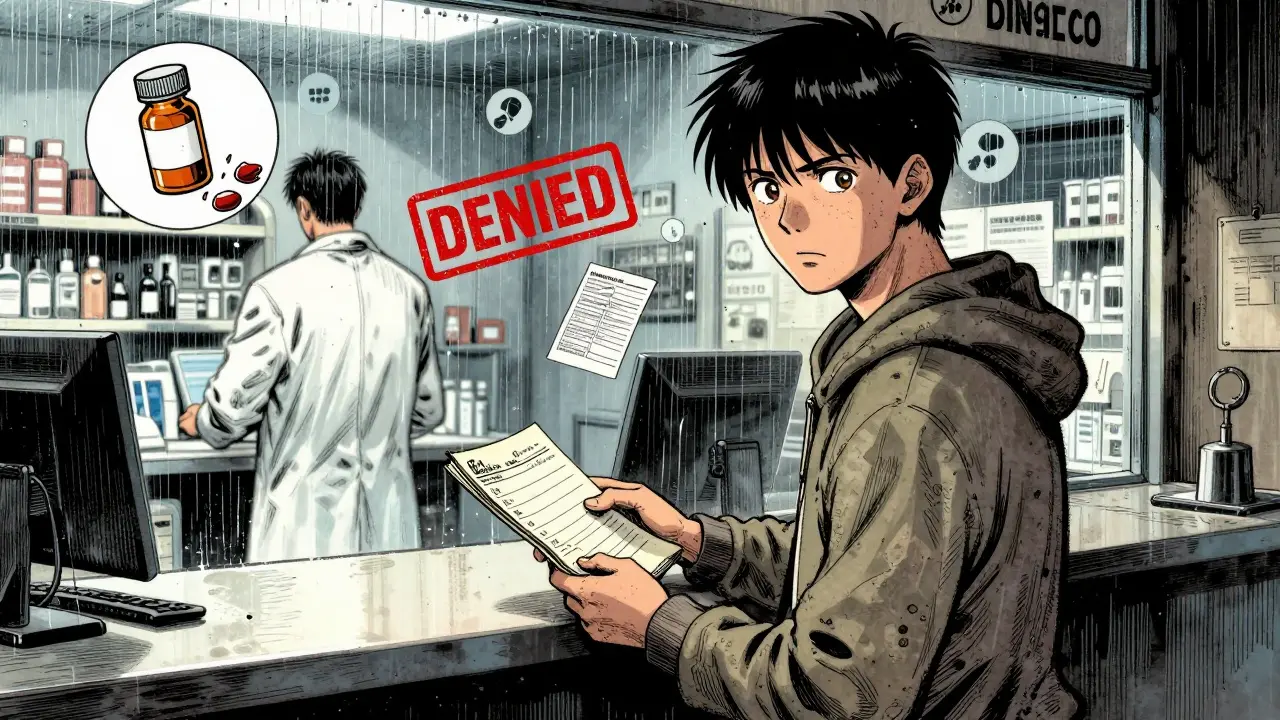
Non-formulary generics: what to do when coverage is denied
When your insurance denies coverage for a generic drug, you’re not out of options. Learn how to appeal non-formulary generic denials with clinical evidence, understand your rights, and reduce out-of-pocket costs.
Read More