Category: Medications - Page 2
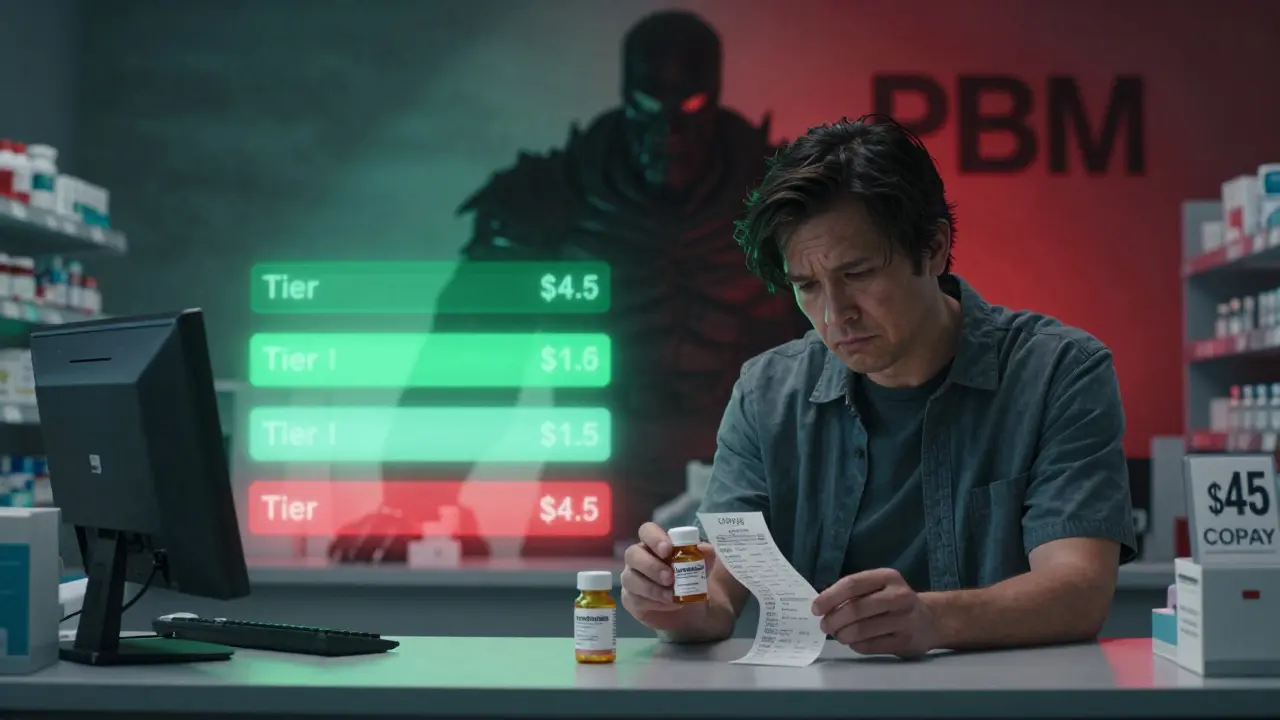
Tiered Copays: Why Your Generic Drug Costs More Than Expected
Your generic drug might cost more than the brand-name version because of how insurers tier medications. It's not about effectiveness - it's about rebates. Learn why this happens and how to fight back.
Read More
Clinical Studies on Generic Medication Switches: What the Research Says
Research shows most generic medications are as effective as brand-name drugs, but certain classes like antiepileptics require careful monitoring. Learn how clinical studies assess safety, effectiveness, and real-world outcomes when switching to generics.
Read More
Biosimilars Insurance Coverage: How Prior Authorization and Tiers Impact Your Costs
Biosimilars could save $54B, but insurance rules often block savings. Learn how prior authorization and tier placement affect your costs for biologic drugs. Find out which insurers are changing strategies in 2025 and what you can do about it.
Read More
SNRI Medications and Side Effects: Venlafaxine, Duloxetine, and Others
SNRIs like venlafaxine and duloxetine treat depression and chronic pain by boosting serotonin and norepinephrine. Learn how they work, their side effects, withdrawal risks, and how they compare to SSRIs.
Read More
Fluoroquinolones and NSAIDs: Understanding the Real Risk of Tendon Rupture
Fluoroquinolone antibiotics like levofloxacin carry a real risk of tendon rupture, especially in older adults. NSAIDs don't increase this risk but can hide warning signs. Know which drugs are dangerous, how fast damage happens, and what to do if pain starts.
Read More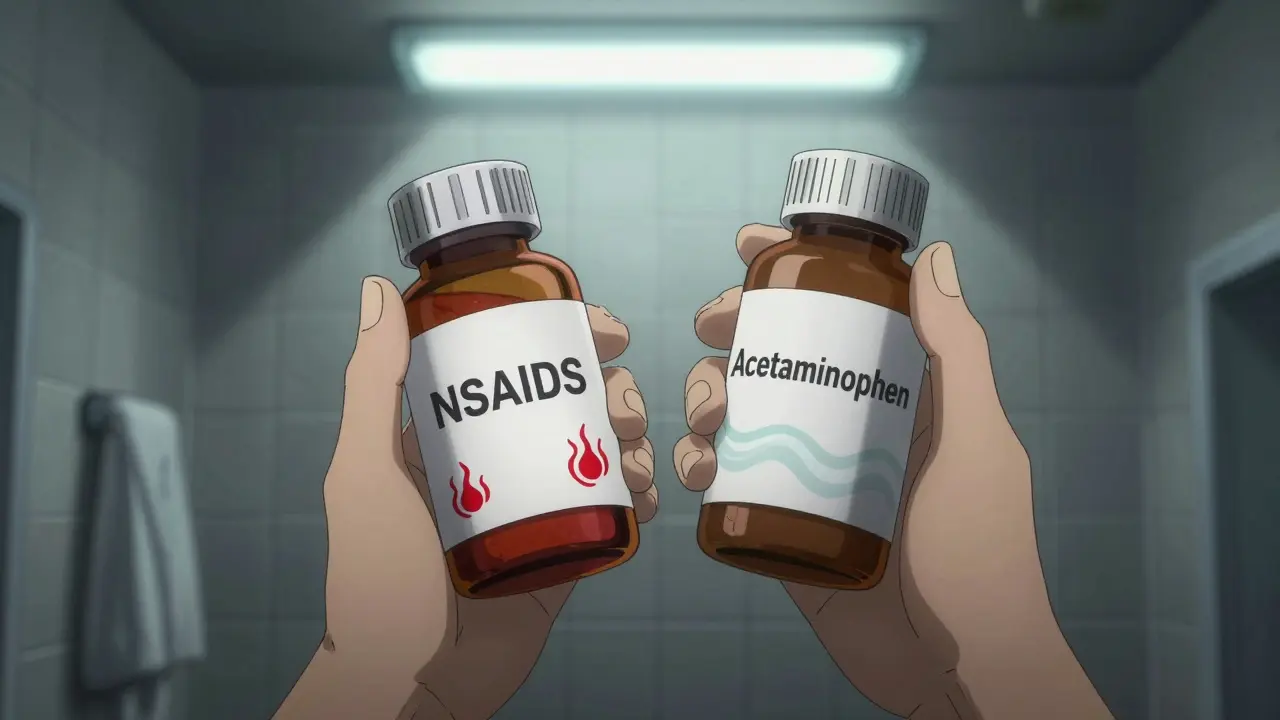
NSAIDs vs. Acetaminophen: Which Pain Reliever Is Right for You?
NSAIDs like ibuprofen reduce swelling and inflammation, while acetaminophen (Tylenol) eases pain without touching inflammation. Learn which one to choose based on your symptoms and health risks.
Read More
Buspirone Augmentation with SSRIs: Side Effects, Efficacy, and Real-World Use
Buspirone augmentation with SSRIs is a safe, effective option for treatment-resistant depression. It improves mood, reduces anxiety, and reverses SSRI-induced sexual side effects without weight gain or metabolic risks.
Read More
Best Reliable Online Resources for Generic Drug Information
Find trustworthy, free online sources for accurate generic drug info - including FDA labels, patient guides, interaction checkers, and therapeutic equivalence ratings. Know which generics are safe to switch and where to look when it matters.
Read More
How to Implement a Personal Safety Checklist for Pharmacy Visits
Learn how to use a simple personal safety checklist to prevent medication errors at the pharmacy. Stop dispensing mistakes before they happen by verifying your prescriptions, checking pill appearance, and asking key questions.
Read More
How to Read Medication Labels: Clear Guide to Dosage and Directions
Learn how to read medication labels correctly to avoid dangerous mistakes. Understand dosage, directions, warnings, and liquid measurements for safe use of prescription and OTC drugs.
Read More