Author: Prasham Sheth

Why Generic Drug Prices Vary by State: Understanding Geographic Cost Gaps
Discover why the price of the same generic drug can vary wildly across U.S. states. Learn how PBMs, state laws, and local competition drive your pharmacy costs.
Read More
Liver Cancer Risk After SVR: Do You Still Need Screening?
Achieving SVR is a cure for Hep C, but not always for liver cancer risk. Learn who needs ongoing screening and why cirrhosis requires lifelong surveillance.
Read More
Global Provider Perspectives: How Different Countries View Generic Drugs
Explore how healthcare providers in the US, Europe, and Asia-Pacific view generic medications, from cost-saving tools to essential healthcare infrastructure.
Read More
Safe Sleep Aids for Seniors: Best Medication Choices for Insomnia
Discover safer medication choices for insomnia in older adults. Learn why to avoid benzodiazepines and the benefits of low-dose doxepin, CBT-I, and orexin antagonists.
Read More
Cleanroom Standards Explained: Safeguarding Generic Drug Quality
Explore how cleanroom standards protect generic drug quality through rigorous environmental controls, regulatory requirements, and manufacturing safety protocols.
Read More
Cutaneous Lupus: Managing Photosensitivity and Skin Treatments
Discover how cutaneous lupus causes severe skin reactions to sunlight and learn proven strategies for managing photosensitivity with skincare, diet, and targeted medical treatments.
Read More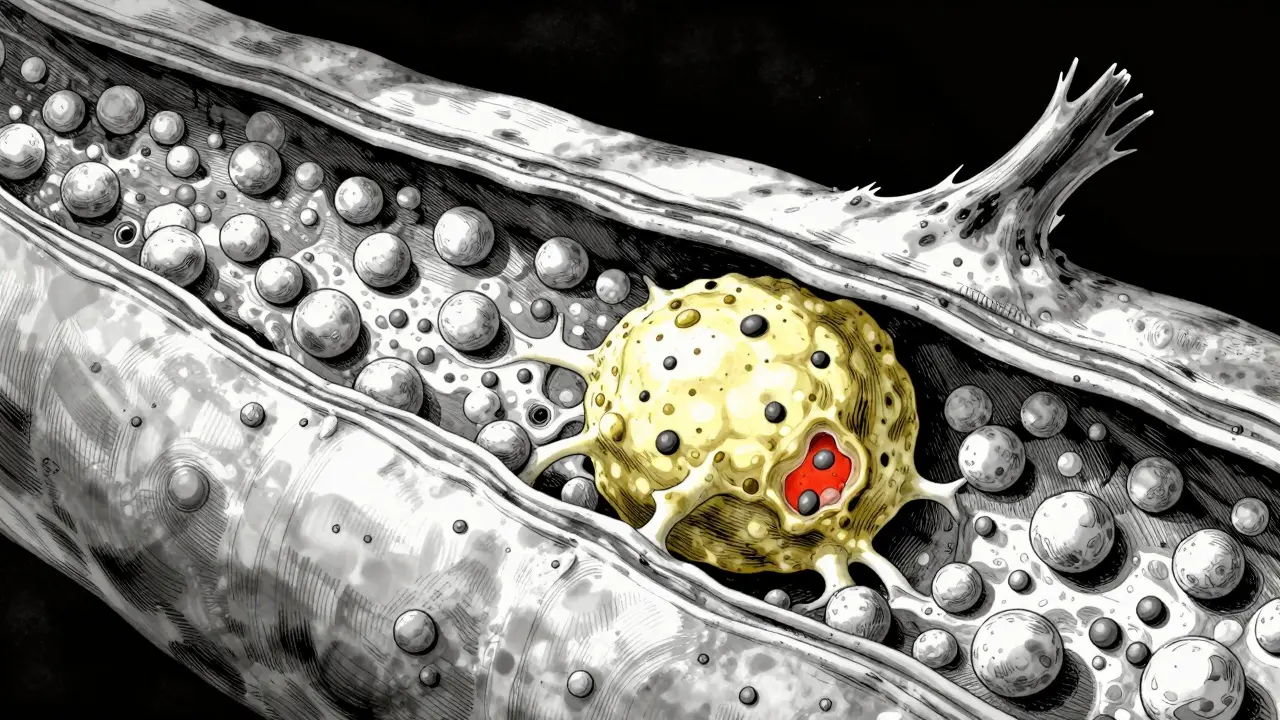
Coronary Artery Disease: Understanding Atherosclerosis, Risks, and Modern Treatments
Explore the mechanics of coronary artery disease, how atherosclerosis develops, key risk factors, and modern treatment options including stents and bypass surgery.
Read More
How to Separate Household Chemicals from Medication Storage Safely
Learn how to safely separate household chemicals from medication storage to prevent poisoning and degradation. Expert guidelines on distance, temperature, and locking mechanisms.
Read More
Statins and ALS: What the Latest Evidence Really Shows
Statins and ALS: What does the latest science say? No credible evidence links statins to ALS. Long-term use may even lower risk. Don't stop your statin unless your doctor says so.
Read More
Bempedoic Acid Side Effects: Gout, Tendon Risks, and What You Need to Know
Bempedoic acid helps lower cholesterol for statin-intolerant patients, but carries real risks of gout, tendon rupture, and liver issues. Know the warning signs and how to stay safe.
Read More