
Why Your Skin Reacts Differently
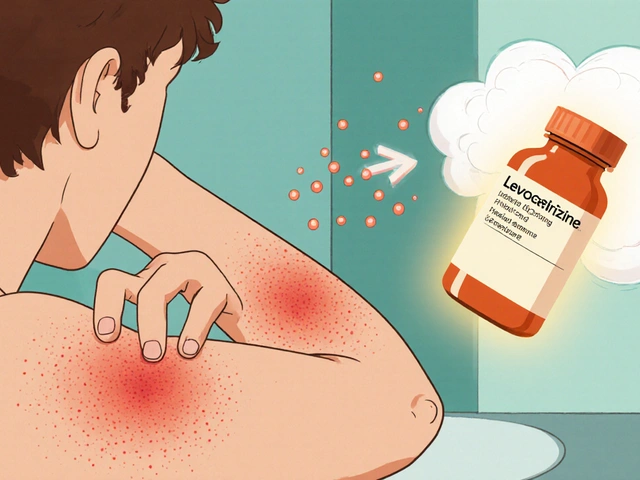
Cutaneous Lupus Erythematosus (CLE) is a chronic autoimmune condition specifically targeting the skin. Also known as skin lupus, it causes inflammation and scarring when your body attacks healthy tissue. While systemic lupus affects organs throughout the body, CLE focuses its fire on your dermis and epidermis. Unlike a standard sunburn, which fades in a week, this reaction signals a deeper biological malfunction. Here is the hard truth: sunlight isn't always harmless. For the average person, a day at the beach means tan lines and fun. For someone with this condition, that same exposure can trigger severe inflammation, blistering, and long-lasting scars within days. This happens because of a specific reaction called Photosensitivity, which is defined as an abnormal reaction to ultraviolet light. Studies show that roughly two out of every three people with lupus experience this symptom. It is not just "sensitive skin"; it is your immune system misinterpreting light as an attack.
The Biology Behind the Burn
To understand why you must avoid the sun so aggressively, we have to look at what happens under your skin. When Ultraviolet Radiation (UV), specifically UVA and UVB waves, hits healthy skin, it creates minor damage that repair cells fix overnight. But in lupus, the repair mechanism fails dramatically.
Imagine your skin cells as factories. Normally, these factories produce proteins safely. When UV rays strike, they break down DNA inside the cell nucleus. In a typical response, dead cells get shed. In cutaneous lupus, these damaged cells release debris that your immune system mistakes for an invader. This triggers an interferon cascade. Think of interferon as the body's alarm system. Once it rings in CLE, it stays stuck on "loud."
This cascade involves specific molecules:
- Keratinocyte Apoptosis: Skin cells die prematurely at a rate 2.3 times higher than normal people.
- Cytokine Storm: Inflammatory signals (chemokines) surge by up to 300% after sun exposure.
- Ro/SSA Antibodies: About 78% of patients with high levels of this antibody react faster to light than those without it.
This explains why you might feel sick, not just have a rash. Because the immune alert is systemic, joint pain often flares alongside skin lesions even if you stayed indoors.
Recognizing the Rashes: Subtypes and Signs
Not all rashes look the same, and spotting the difference helps you talk clearly with your doctor. CLE generally splits into three distinct groups, each with unique behaviors regarding photosensitivity.
| Type | Appearance | Sun Sensitivity | Scarring Risk |
|---|---|---|---|
| Acute Cutaneous Lupus (ACLE) | Malar "butterfly" rash across cheeks/nose | Extremely High (appears quickly) | Low (usually resolves without scar) |
| Subacute Cutaneous Lupus (SCLE) | Ring-shaped or scaly patches on arms/back | Very High (often triggered by sun) | Low (rarely scars) |
| Chronic Cutaneous Lupus (CCLE) | Discoid plaques that thicken skin | Moderate (exacerbates existing lesions) | High (often leaves permanent scars) |
If you see a red patch appear 24 to 72 hours after being near a window, note the timing. If it lasts longer than three weeks, it is far more likely to be true lupus rather than Polymorphous Light Eruption (PMLE).

Beyond the Beach: Indoor Triggers You Ignore
You might think pulling back curtains at noon is enough protection, but invisible enemies lurk elsewhere. A major misunderstanding is that glass blocks all bad rays. Standard car windows block UVB well but let UVA pass through. Since UVA penetrates deep into the dermis, sitting near a window at work can still provoke a flare.
Likewise, artificial lighting matters. Compact fluorescent lamps (CFLs) used in many office buildings and older home fixtures emit low levels of UV radiation. Patients report reactions occurring after spending a full workday in a brightly lit room with these bulbs. Switching to LEDs significantly reduces this risk, as LED technology emits virtually no UV spectrum.
A Practical Shield: Photoprotection Strategies
Treating the rash is only half the battle; preventing it is the real goal. Dermatologists emphasize that rigorous protection is more effective than medication alone. Here is exactly how to build your defense wall.
Choosing the Right Sunscreen
Most commercial lotions aren't enough. Chemical sunscreens absorb heat and can sometimes cause irritation in inflamed skin. Instead, dermatologists recommend mineral-based blockers containing zinc oxide or titanium dioxide. These sit on top of the skin like a mirror, reflecting light away.
- SPF Rating: You need broad-spectrum SPF 50+ daily.
- Reapplication: Apply every two hours without fail, even on cloudy days.
- Coverage: Don't miss ears, tops of feet, and the scalp if hair is thinning.
Fabric and Barriers
Look for the label UPF 50+. Standard cotton clothing blocks about 50% of UV rays, while UPF-rated fabrics block 98%. For extreme cases, adding tinted lenses (specifically FL-41) helps reduce the sensitivity of the eyes and head region, which correlates with brain fog and headaches associated with lupus flares.

Medical Interventions and New Treatments
When prevention fails and lesions appear, treatment targets that overactive alarm system. There are three tiers of therapy, ranging from topical creams to systemic medications.
Topical Therapies
Topical Corticosteroids: Usually the first line of defense for isolated rashes. They calm inflammation quickly but carry risks of thinning skin if overused.
Vitamin D Analogues: Medications like calcipotriene mimic vitamin D to slow down skin cell growth rates. These are helpful for discoid lesions that crust and bleed.
Systemic Treatments (Oral/Injectable)
If topical treatments do not stop the flare-up, doctors move to systemic options.
Antimalarial Drugs are medications originally designed for malaria that stabilize immune function. Specifically Hydroxychloroquine (Plaquenil). Despite the name, it doesn't treat parasites here. It protects DNA from UV damage and dampens the interferon response. Most rheumatologists consider this mandatory maintenance therapy for CLE.For stubborn cases, biologic therapies are changing the game. Anifrolumab (Saphnelo), approved by the FDA in 2021, targets the type I interferon receptor directly. Clinical trials showed it reduced cutaneous activity scores better than placebo, particularly for those prone to photo-flares.
JAK inhibitors represent another avenue currently in advanced trials. By blocking the signaling pathway of inflammatory cytokines, they prevent the "alarm bell" from ringing. Early data suggests a 55% reduction in photosensitivity reactions for some patients using these agents.
Daily Living Checklist
To keep your skin clear and your system balanced, integrate these steps into your routine:
- Apply SPF 50+ zinc oxide sunscreen 30 minutes before leaving the house.
- Replace home fluorescent bulbs with warm-toned LED alternatives.
- Install UV-blocking films on home and office car windows.
- Wear a wide-brim hat and UPF-rated shirt during peak sun hours (10 AM - 4 PM).
- Take antimalarials exactly as prescribed, even if you feel fine.
- Monitor your hands and forearms for new pinkness weekly.
Frequently Asked Questions
Does regular sunscreen really help with lupus?
Yes, but only if it is broad-spectrum (blocking both UVA and UVB) and contains at least SPF 50. Zinc oxide works best for sensitive skin as it reflects light rather than absorbing it chemically.
Can I get lupus from too much sun?
Sun exposure cannot give you lupus if you didn't already have the genetic predisposition. However, for those who do have it, UV light can trigger the onset of symptoms and worsen existing disease severity.
Will my rash go away on its own?
Some acute rashes fade within a few weeks if treated early. Chronic discoid lesions rarely disappear completely without treatment and may leave permanent hypopigmentation (light spots) or scars.
Do I need to worry about computer screens?
Modern LED monitors emit negligible UV. The concern lies with fluorescent tube lighting or compact CFL bulbs overhead. Blue light from screens is not typically linked to CLE flares.
What is the difference between a sunburn and a lupus flare?
A sunburn hurts immediately and usually peels within a week. A lupus photosensitivity reaction appears later (24-72 hours), looks like a distinct rash rather than raw skin, and often involves surrounding joints aching.




Calvin H
30 March 2026 - 14:55 PM
Vacation is officially ruined thanks to biology.
Katie Riston
31 March 2026 - 01:14 AM
We often forget that the sun is both a creator and a destroyer in the grand scheme of biological existence. Our ancestors sought its warmth for survival during the darkest winters. Now we fear its rays as if they carry malice rather than energy. This dichotomy highlights our struggle to coexist with natural forces that predate human consciousness. When skin cells begin to misinterpret the photon bombardment as a hostile act it becomes clear something deeper is wrong. The immune system is designed to protect but sometimes protection becomes aggression against itself. We see this in autoimmune disorders where the boundaries of self are blurred beyond recognition. Living with such a condition requires a daily recalibration of how we view safety. Sunlight which was once a universal gift becomes a potential threat to physical integrity. I find myself wondering if we have lost the rhythm of day and night entirely through modernization. We hide behind tinted windows and synthetic barriers that shield us from reality. Perhaps the true cure lies not in blocking the light but understanding why our bodies scream. Science offers mechanisms and molecules but rarely addresses the existential weight of chronic illness. Yet here we are managing the biology while trying to remain human in a world that demands resilience. We must acknowledge that vulnerability is part of the design and accept the limitations gracefully. The road to management is long but knowing the mechanism gives us a sliver of control over chaos.
Beccy Smart
31 March 2026 - 22:06 PM
Please please take care of yourselves and remember that health is wealth 🛡️💪🚫☀️ do not ignore the signs because life is precious 😢❤️🩹
Debbie Fradin
2 April 2026 - 06:14 AM
Stop hiding and fight back you weaklings the meds work fine so get off your pity party. It is annoying seeing people whine when Plaquenil exists. Get up and go to the beach with zinc oxide on your face instead of crying online.
Christopher Curcio
3 April 2026 - 02:28 AM
The interferon cascade activation explains the systemic joint pain correlation with dermal lesions effectively. When keratinocyte apoptosis increases by 2.3 times the release of Ro SSA antibodies accelerates. Blocking UV spectrum penetration at the epidermal barrier layer reduces cytokine storm magnitude significantly.
Angel Ahumada
3 April 2026 - 12:29 PM
it is tragic how modern man fears the sun yet we live in a glass box ignoring the spiritual connection to light we are losing our humanity to chemical barriers and plastic mirrors of truth
Vikash Ranjan
4 April 2026 - 10:21 AM
You are all wrong about the sun being the only issue because internal toxins trigger the same flare even in total darkness conditions.
RONALD FOWLER
4 April 2026 - 22:03 PM
that is a valid point about internal triggers and we should consider holistic factors too thank you for sharing
William Rhodes
6 April 2026 - 03:52 AM
You guys CAN beat this and conquer the disease with discipline and hope nobody is hopeless here. The body heals if you give it the right fuel and rest.
Carolyn Kask
8 April 2026 - 01:53 AM
Only American healthcare systems provide adequate testing for Ro antibodies so lucky for you if you live here otherwise deal with bad diagnostics abroad.
Jonathan Sanders
9 April 2026 - 10:07 AM
I bet your childhood trauma caused this flare up because your subconscious wanted to reject the outside world. Why do you think you got sick at this age?
Rick Jackson
10 April 2026 - 18:49 PM
Balance is key and we must support each other without assigning blame to past events or genetics.
Ruth Wambui
11 April 2026 - 03:37 AM
Big Pharma wants you dependent on sunscreen forever to sell their toxic chemicals disguised as protection cream. They profit from your fear of the sun not your health.
sanatan kaushik
13 April 2026 - 00:40 AM
Listen to doctors dont listen to internet rants you will die sooner if you refuse proper medical treatment today.
Marwood Construction
13 April 2026 - 07:37 AM
This data aligns with current dermatological literature regarding photosensitivity mechanisms in CLE cases observed globally. Implementation of these photoprotection strategies remains critical for patient outcomes.