
| Medication Type | Best Use Case | Risk Level | Key Benefit |
|---|---|---|---|
| Low-dose Doxepin | Staying asleep | Low | High efficacy, low cost |
| Orexin Antagonists | General insomnia | Low to Moderate | Natural feeling sleep |
| Melatonin Agonists | Falling asleep | Very Low | Minimal side effects |
| Benzodiazepines | Avoid in seniors | High | Strong sedation (dangerous) |
Why Traditional Sleep Pills Are Risky for Seniors
For decades, Benzodiazepines is a class of sedative medications that enhance the effect of the neurotransmitter GABA to produce a calming effect were the go-to for sleepless nights. However, the medical community has shifted drastically. The American Geriatrics Society's Beers Criteria explicitly warns against using these as a first choice for older adults. Why? Because your liver and kidneys don't clear these drugs as quickly as they used to. When these medications linger in your system, they don't just help you sleep-they impair your motor skills and cloud your thinking. Research shows a significant increase in hip fractures and falls, with some data suggesting a 40-50% higher risk. Even the popular "Z-drugs" like Zolpidem (Ambien) can cause "sleep-related behaviors" such as sleepwalking or performing tasks while barely awake, which is a recipe for disaster in a home with stairs or rugs.The Gold Standard: Non-Drug Approaches
Before reaching for a prescription pad, doctors now recommend CBT-I is Cognitive Behavioral Therapy for Insomnia, a structured program that helps patients identify and replace thoughts and behaviors that cause or worsen sleep problems. This isn't just "sleep hygiene" like avoiding caffeine; it's a psychological toolkit. It uses techniques like stimulus control (using the bed only for sleep) and sleep restriction to reset the body's internal clock. CBT-I is considered the first-line treatment because it treats the root cause rather than just masking the symptoms. While it takes more effort than swallowing a pill, the results are long-lasting and carry zero risk of dependency or falls. If you find that you can't get through the day or if CBT-I isn't accessible, that's when the conversation about safer medications begins.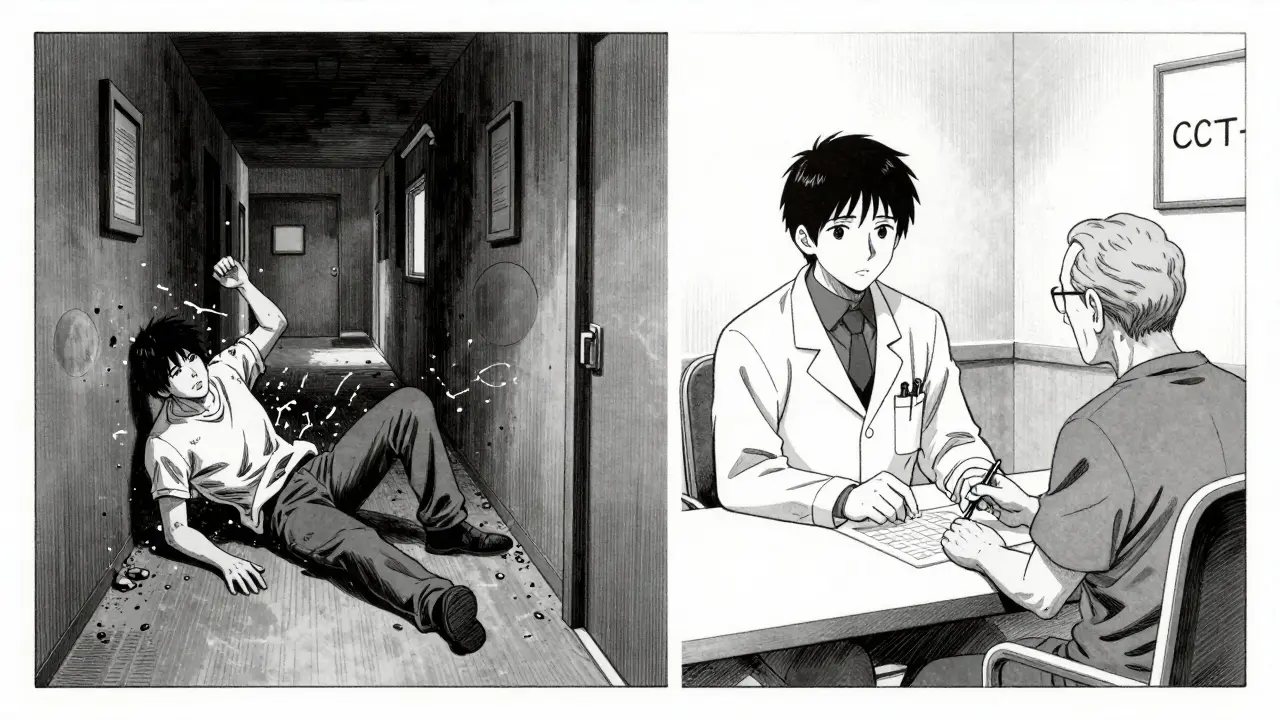
Breaking Down the Safer Medication Choices
If you need pharmaceutical help, the focus is now on targeting specific sleep problems-whether you can't fall asleep or you can't stay asleep-rather than using a "sledgehammer" sedative.Low-Dose Doxepin for Sleep Maintenance
If you wake up at 3 AM and can't get back to sleep, Doxepin is a tricyclic antidepressant that, at very low doses, acts as a selective histamine H1 receptor antagonist to help maintain sleep. This is a brilliant example of "less is more." While high doses are used for depression, the 3mg to 6mg dose used for sleep is 50 to 100 times lower. It doesn't have the heavy sedative-hypnotic punch of older drugs, meaning fewer "hangovers" the next morning and a much lower risk of dizziness.Orexin Receptor Antagonists for a Natural Feel
Instead of forcing your brain to shut down, Orexin Receptor Antagonists is a newer class of drugs that block the "wakefulness" chemical in the brain, essentially turning off the switch that keeps you awake. Drugs like Lemborexant (Dayvigo) and Suvorexant (Belsomra) are designed to be more targeted. Users often describe the result as a "natural feeling sleep" without the grogginess associated with traditional sedatives. Clinical trials show they can significantly reduce the time it takes to fall asleep and increase total sleep time without the heavy cognitive toll.Melatonin Receptor Agonists for Sleep Onset
For those who struggle with the initial act of falling asleep, Ramelteon is a medication that mimics melatonin by binding to MT1 and MT2 receptors in the brain to regulate the sleep-wake cycle. It has a very short half-life, meaning it doesn't hang around in your system the next day. While it might not be as "powerful" as a heavy sedative, its safety profile is exceptional, making it a great entry point for seniors who are cautious about side effects.Avoiding the "Polypharmacy" Trap
One of the biggest dangers for older adults is polypharmacy-taking multiple medications that interact. Many sleep aids are processed by the CYP3A4 enzyme in the liver. If you are taking certain antibiotics or antifungal medications, these enzymes can be blocked, causing your sleep medication levels to spike by 2 to 3 times the intended dose. This can turn a safe dose into a dangerous overdose overnight. Always ensure your doctor has a full list of your supplements and prescriptions. If you have liver or kidney impairment, you may need a 50% dose reduction. A simple rule of thumb: always start with the lowest possible dose and give it 2 to 4 weeks to work before deciding it's not effective.
Practical Tips for a Safer Sleep Routine
Transitioning to safer medications works best when paired with a few lifestyle tweaks. Consider these rules of thumb:- The 20-Minute Rule: If you aren't asleep after 20 minutes, get out of bed. Do a quiet activity in dim light until you feel sleepy. This stops your brain from associating the bed with frustration.
- Limit Liquid After 7 PM: Reducing nighttime bathroom trips (nocturia) is often the fastest way to improve sleep maintenance without needing more medication.
- Check Your Temp: Older adults often struggle with temperature regulation. A slightly cool room with warm socks can help initiate sleep more effectively than a pill.
- Screen the "Blue Light": Tablets and phones trick your brain into thinking it's daytime. Switch to a physical book an hour before bed.
The Path to Sustainable Sleep
It's tempting to want a "strong' pill that guarantees 8 hours of unconsciousness, but that's not actually sleep-that's sedation. True sleep is a dynamic process that allows the brain to clear toxins and consolidate memories. By choosing targeted agents like low-dose doxepin or orexin antagonists, you are prioritizing your long-term cognitive health over a short-term fix. If cost is an issue, remember that generics like doxepin are incredibly affordable compared to the newer brand-name orexin blockers. Talk to your pharmacist about the most cost-effective way to get the safety you need without breaking your retirement budget.Is melatonin safe for adults over 65?
Generally, yes. Controlled-release melatonin is often a great first-line option because it has a very low risk of dependency and minimal side effects. However, it is best used for shifting sleep cycles or mild onset issues rather than severe chronic insomnia.
Why can't I just keep taking my old prescription for Ambien?
As you age, your body clears medications more slowly. This means the drug stays in your brain longer, which significantly increases the risk of daytime drowsiness, confusion, and dangerous falls. Newer options are designed to target sleep without leaving these lasting residues.
How long should I stay on sleep medication?
Most clinicians recommend using hypnotic medications for a short window, typically 4 to 5 weeks, to get through a crisis. Low-dose doxepin is an exception and can often be used longer-term, but you should always have a discontinuation plan with your doctor.
What is the "hangover effect" from sleep meds?
This is the next-day residual impairment-feeling groggy, dizzy, or "foggy" the morning after. It happens when a drug has a long half-life or high receptor affinity. Safer choices like Ramelteon or low-dose Doxepin are specifically chosen to minimize this effect.
Can CBT-I really replace medication?
In many cases, yes. CBT-I addresses the behavioral and psychological patterns that keep you awake. While medications mask the symptoms, CBT-I provides a permanent skill set to manage sleep, which is why it's the recommended first-line treatment for seniors.





Jay Vernon
6 April 2026 - 00:51 AM
This is really helpful info for my dad! 😊
Timothy Burroughs
6 April 2026 - 15:14 PM
typical medical nonsense pushing pills just because you're old
real sleep comes from discipline and a clean american diet not some orexin whatever thing that sounds like a sci-fi movie
people just got soft and lazy these days
Christopher Cooper
7 April 2026 - 01:31 AM
The section on polypharmacy is absolutely critical. Many seniors are seeing five different specialists who don't always communicate, leading to a dangerous cocktail of drugs that can clash in the liver. It's so important to have one primary care physician acting as the air traffic controller for all these prescriptions to prevent those CYP3A4 enzyme interactions. I've seen cases where a simple antifungal cream combined with a sleep aid led to severe disorientation. It really emphasizes the need for a comprehensive medication review every few months.
Jitesh Mohun
8 April 2026 - 14:14 PM
stop relying on meds and fix your life
cbt-i is the only real way out
pill users are just lazy
Michael Flückiger
9 April 2026 - 02:30 AM
I totally agree that CBT-I is a game changer!!! It takes some patience, but the reward of waking up naturally is just wonderful...!!! Everyone should give it a try before going the pharma route!!!!
Victoria Gregory
9 April 2026 - 09:15 AM
It's so interesting how our bodies change as we age... 🌿 it's like a slow dance with nature where we have to adjust our rhythms. Maybe the insomnia is just the mind's way of asking for more quiet reflection time during the night? ✨ I love the idea of a cool room and warm socks, such a simple, grounding ritual to bring peace to the evening... 🌙
Jamar Taylor
9 April 2026 - 14:03 PM
Keep pushing for that better sleep, everyone! You've got this! Just a few small changes in your nightly routine and you'll be feeling like a new person in no time. Let's get those healthy habits locked in!
Rupert McKelvie
10 April 2026 - 17:59 PM
The tip about limiting liquids after 7 PM is a brilliant bit of practical advice. It's often the simplest things that make the biggest difference in quality of life for the elderly. It is heartening to see a focus on safety rather than just sedation. I'm sure many people will find the Doxepin option quite reassuring since it's so affordable and carries fewer risks than the old-school sedatives. It really is about finding that sustainable balance. The 20-minute rule is also something I've heard works wonders for breaking the anxiety loop of staring at the ceiling. It's all about retraining the brain to see the bed as a place of rest, not a place of battle. I'm glad this information is out there for those who might be scared to ask their doctor about alternatives. It's a positive step toward better aging. Just imagine the improvement in daytime alertness when you actually get restorative sleep. It's a win-win for both the patient and the caregiver. Definitely worth a conversation at the next check-up. Keep the positive vibes going!