Medication Safety: Protect Yourself from Dangerous Interactions and Side Effects
When you take a medication, you're not just dealing with one drug—you're entering a network of potential risks. Medication safety, the practice of using drugs correctly to avoid harm while maximizing benefit. Also known as drug safety, it’s what keeps you out of the ER after taking a common painkiller with your blood pressure pill. This isn’t theoretical. Every year, over 1.3 million people in the U.S. are injured because of medication errors—many of them avoidable.
Drug interactions, when two or more medications react in a way that changes their effect are one of the biggest threats. Take antimalarials like hydroxychloroquine: they can mess with your heart rhythm if combined with certain antibiotics or antidepressants. Or carbamazepine, a seizure drug that turns off the effectiveness of birth control, blood thinners, and even some antidepressants by speeding up how your liver breaks them down. Even something as simple as ibuprofen can make heart failure worse by causing fluid buildup. These aren’t rare edge cases—they’re everyday risks hidden in plain sight.
Adverse drug reactions, unexpected and harmful effects from medications taken at normal doses don’t always show up right away. SSRIs can increase bleeding risk by messing with platelets, making bruising or nosebleeds more likely. Anticoagulants like warfarin or DOACs can lead to dangerous internal bleeding if kidney function drops or if you start taking a new herb or supplement. And then there’s opioid overdose reversal, the life-saving use of naloxone to reverse respiratory depression from painkillers. It’s not just for addicts—it’s for grandparents on long-term pain meds, teens prescribed opioids after surgery, or anyone who might accidentally take too much.
Storage matters too. Moisture can turn your pills into useless or even dangerous junk. A capsule left in the bathroom? It’s not just old—it’s compromised. Desiccants in the bottle aren’t just filler—they’re your first line of defense. And for seniors on multiple drugs, polypharmacy isn’t just a buzzword—it’s a ticking clock. The Beers Criteria exists because some medications are simply too risky for older bodies.
What you’ll find below isn’t a list of warnings. It’s a practical toolkit. From how to use naloxone nasal spray in an emergency, to how generic drug competition actually affects prices, to why your antidepressant might be making you bleed—each post cuts through the noise. These aren’t theory pieces. They’re based on FDA databases, clinical trials, and real-world data from doctors and patients. You won’t find fluff here. Just what you need to stay safe, informed, and in control of your meds.
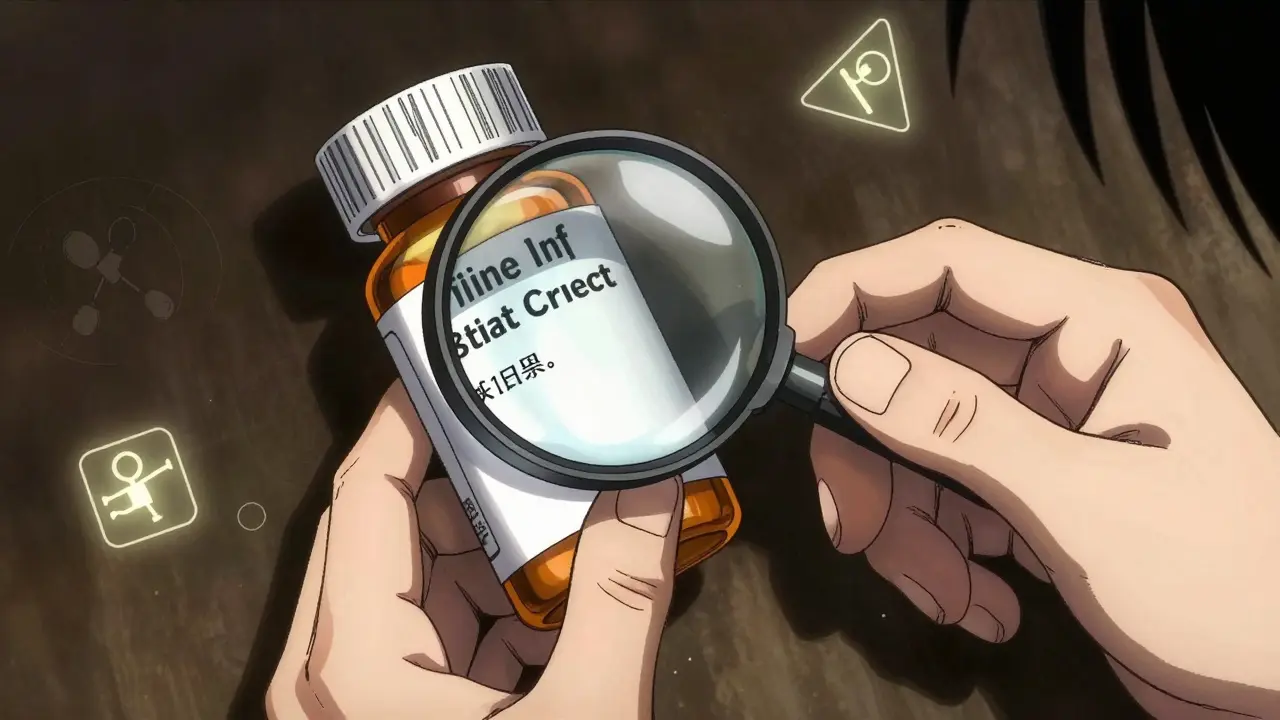
How to Read Medication Labels: Clear Guide to Dosage and Directions
Learn how to read medication labels correctly to avoid dangerous mistakes. Understand dosage, directions, warnings, and liquid measurements for safe use of prescription and OTC drugs.
Read More
How to Safely Transfer Prescriptions and Keep Label Accuracy
Learn how to safely transfer prescriptions while avoiding dangerous label errors. Understand DEA rules, label requirements, and patient steps to prevent medication mistakes in 2026.
Read More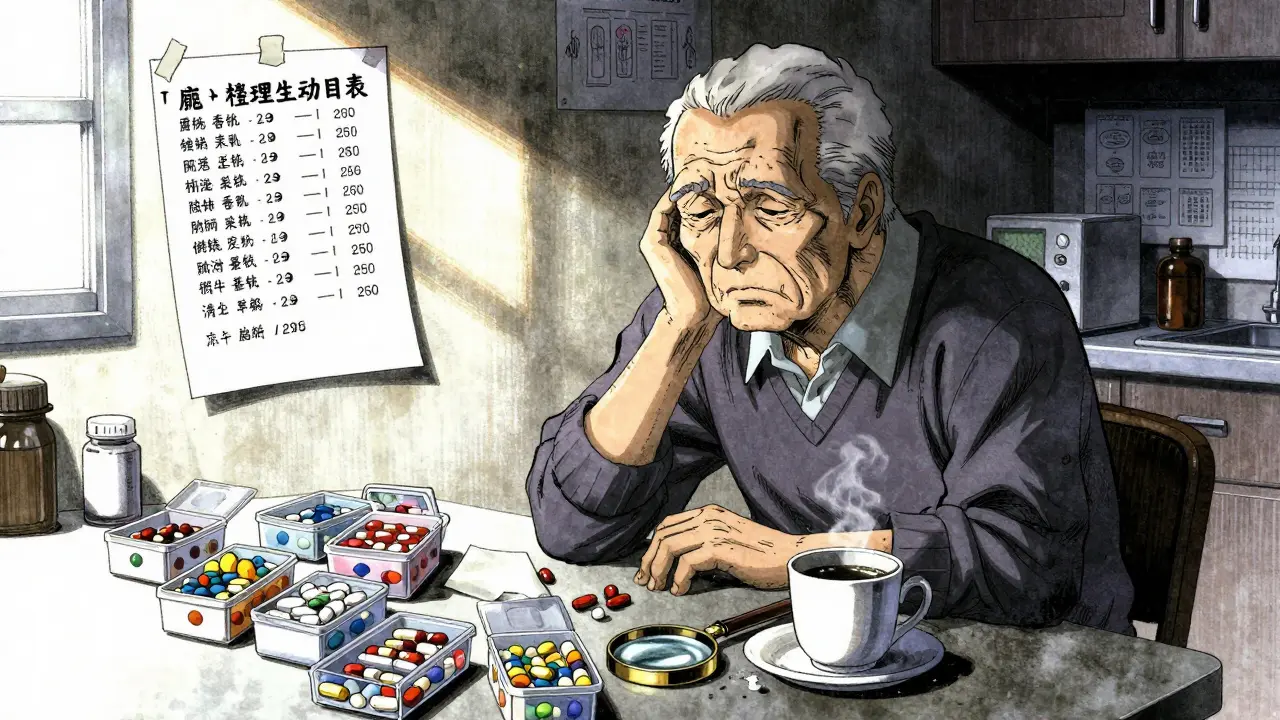
Polypharmacy in Older Adults: How Drug Interactions Risk Health and How to Safely Deprescribe
Polypharmacy in older adults increases the risk of dangerous drug interactions, falls, and hospitalizations. Learn how deprescribing can safely reduce medication burden and improve health outcomes.
Read More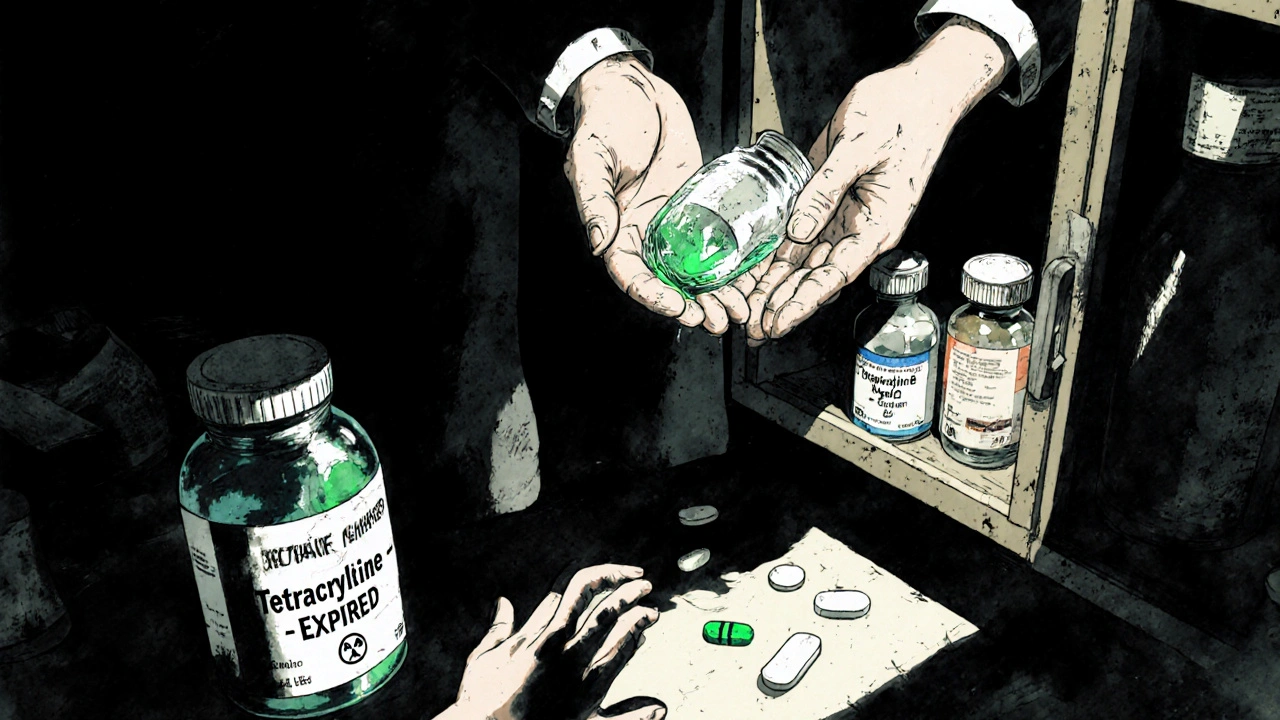
Checking Your Medicine Cabinet for Expired Drugs: A Simple Checklist for Safety
Learn how to safely check and clean out your medicine cabinet to avoid dangerous expired drugs. Get a simple, step-by-step checklist and disposal tips backed by FDA and medical experts.
Read More