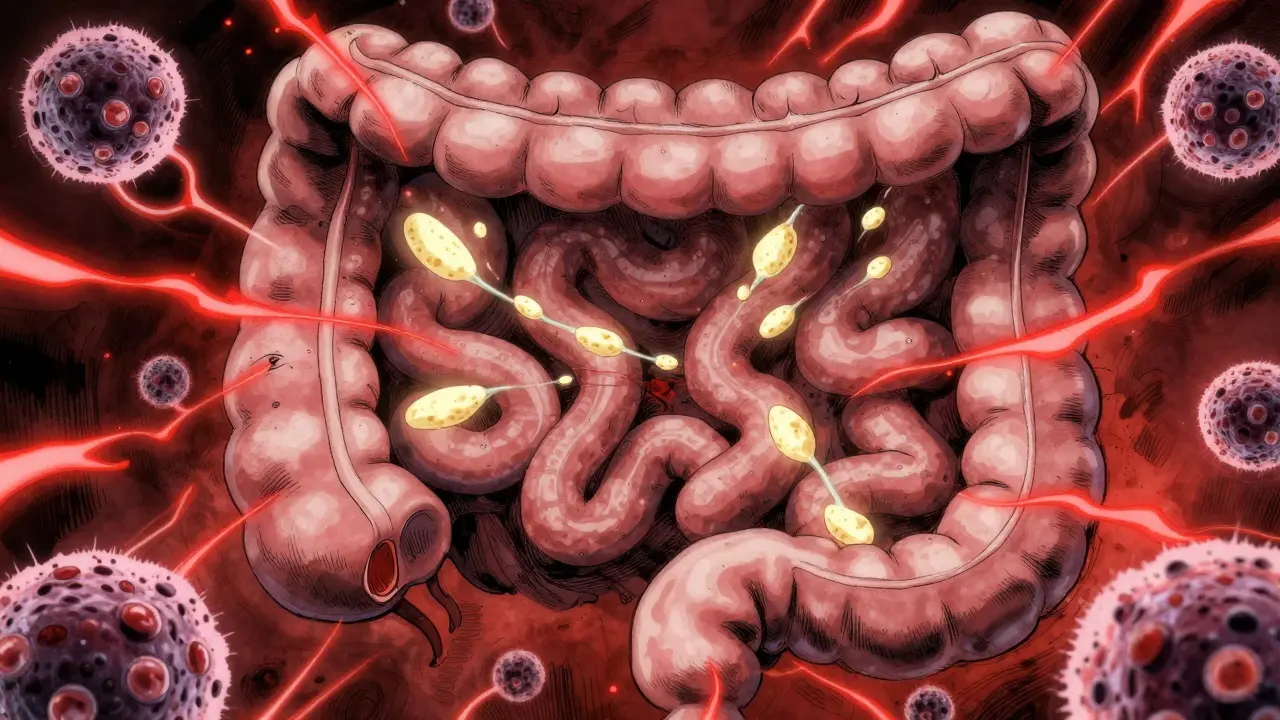
When you eat a slice of bread, most people’s bodies break down the gluten without a second thought. But for someone with celiac disease, that same bite sets off a silent war inside their small intestine. The immune system doesn’t just react-it attacks. And it doesn’t stop until the tiny finger-like projections that absorb nutrients, called villi, are flattened. This isn’t a food allergy. It’s not a stomach bug. It’s an autoimmune response to gluten, and it can damage your body from the inside out if left unchecked.
What Happens When Someone with Celiac Disease Eats Gluten
Gluten is a protein found in wheat, barley, and rye. In people with celiac disease, the immune system mistakes parts of gluten-especially a stubborn fragment called the 33-mer gliadin-as a threat. This triggers a chain reaction that starts in the gut lining and ends with the immune system tearing down the very structures meant to help you absorb food.
Here’s how it works: Gluten doesn’t fully break down during digestion. These leftover pieces slip through the gaps between intestinal cells, thanks to a protein called zonulin that opens tight junctions. Once inside the tissue beneath the gut lining, an enzyme called tissue transglutaminase 2 (TG2) chemically alters the gluten fragments, making them more visible to the immune system. If you carry the HLA-DQ2 or HLA-DQ8 genes (which about 30% of people do), your immune cells recognize these altered fragments as invaders.
That’s when the real damage begins. T-cells activate, flood the area with inflammatory signals like interferon-gamma, and recruit other immune players. The result? Villi shrink or disappear. The gut lining becomes inflamed and scarred. Nutrients like iron, calcium, and vitamin D can’t be absorbed properly. Over time, this leads to fatigue, anemia, bone loss, and even neurological issues.
A groundbreaking 2024 study from McMaster University changed how we see this process. It’s not just the immune system attacking the gut-it’s the gut lining itself that can kickstart the attack. Cells in the intestinal wall, when expressing certain immune markers, can directly trigger the response to gluten. This means the gut isn’t just a victim-it’s an active participant in the disease.
How Is Celiac Disease Different from Gluten Sensitivity?
Many people feel better cutting out gluten. But not everyone who feels better on a gluten-free diet has celiac disease. Non-celiac gluten sensitivity (NCGS) is real, but it’s not the same thing.
Celiac disease has clear diagnostic markers: positive blood tests for anti-tTG antibodies (98% sensitive, 95% specific), genetic testing for HLA-DQ2/DQ8, and biopsy-proven damage to the small intestine. NCGS has none of that. No antibodies. No tissue damage. No definitive test. Diagnosis is made by ruling everything else out.
The immune response is different too. In celiac disease, the body produces IgG3 antibodies, signaling repeated, long-term activation. In NCGS, antibody patterns suggest a more temporary, non-autoimmune reaction. And while someone with celiac disease must avoid gluten at all costs-even traces below 20 parts per million (ppm)-some people with NCGS can tolerate small amounts without lasting harm.
That’s why misdiagnosis is common. A 2023 survey by the Celiac Disease Foundation found that 68% of people waited an average of 6.7 years before getting a correct diagnosis. Many were told they had IBS, anxiety, or just a sensitive stomach. The truth? If you have celiac disease, even a crumb of bread can cause damage-even if you don’t feel sick right away.
The Only Treatment: A Strict, Lifelong Gluten-Free Diet
There is no pill, no shot, no cure. The only proven treatment for celiac disease is complete and permanent elimination of gluten.
That means no bread, no pasta, no beer, no soy sauce unless it’s labeled gluten-free. It also means checking medications, supplements, lip balms, and even play-dough-anything that could contain hidden gluten. About 34% of people with celiac disease report accidentally ingesting gluten through medications, according to the same 2023 survey.
Getting started isn’t easy. Most people need 3 to 6 months to learn how to read labels, recognize hidden sources, and avoid cross-contamination. Common hidden gluten sources include:
- Modified food starch (if not specified as corn or potato)
- Hydrolyzed vegetable protein
- Malt flavoring or malt vinegar
- Dextrin (unless sourced from corn)
- Seasonings and spice blends
Safe grains? Rice, quinoa, buckwheat, millet, amaranth, and certified gluten-free oats. But even oats can be contaminated during processing, so always look for the “gluten-free” label.
Cost is a major barrier. Gluten-free products cost, on average, 242% more than their regular counterparts, according to a 2023 Consumer Reports analysis. A full pantry replacement can run $350-$500 upfront. But many find it’s worth it. Eighty-nine percent of patients report major symptom improvement within six months of going gluten-free.

How to Avoid Cross-Contamination
One of the biggest challenges isn’t what you eat-it’s what you cook with.
Shared toasters, cutting boards, colanders, and even butter knives can transfer gluten. A 2022 study showed that using a dedicated gluten-free toaster reduces cross-contamination risk by 85%. Same goes for frying oil-once gluten fries in it, it’s contaminated for good.
Best practices:
- Use separate condiment containers (no double-dipping!)
- Wash hands and surfaces after handling gluten-containing foods
- Store gluten-free items on top shelves to avoid crumbs falling
- Use color-coded utensils or labels in shared kitchens
Dining out is another minefield. Sixty-seven percent of people with celiac disease report incidents of cross-contamination at restaurants. Even places advertising “gluten-free menus” often don’t have separate prep areas. Always ask: “Do you use separate fryers, grills, and prep surfaces?” If the answer isn’t clear, bring your own food.
What to Expect After Starting the Diet
Many people feel better within days-bloating, brain fog, and diarrhea often vanish fast. But healing the gut takes time. For adults, villi regeneration can take 6 months to 2 years. Children heal faster, often within 3 to 6 months.
Follow-up care is critical. Doctors typically retest tTG antibody levels after 6-12 months on the diet. If levels don’t drop, it suggests ongoing gluten exposure-often from hidden sources. Some patients (up to 30%) continue to have symptoms despite strict adherence. That doesn’t mean the diet isn’t working-it means something else is going on: another condition, bacterial overgrowth, or even a new trigger.
One patient, ‘CeliacWarrior87,’ shared on a support forum: “After five years of strict gluten-free eating, my 2024 endoscopy showed complete mucosal healing. But I still check every label. One mistake, and it’s back to square one.”
Nutrient Deficiencies and How to Fix Them
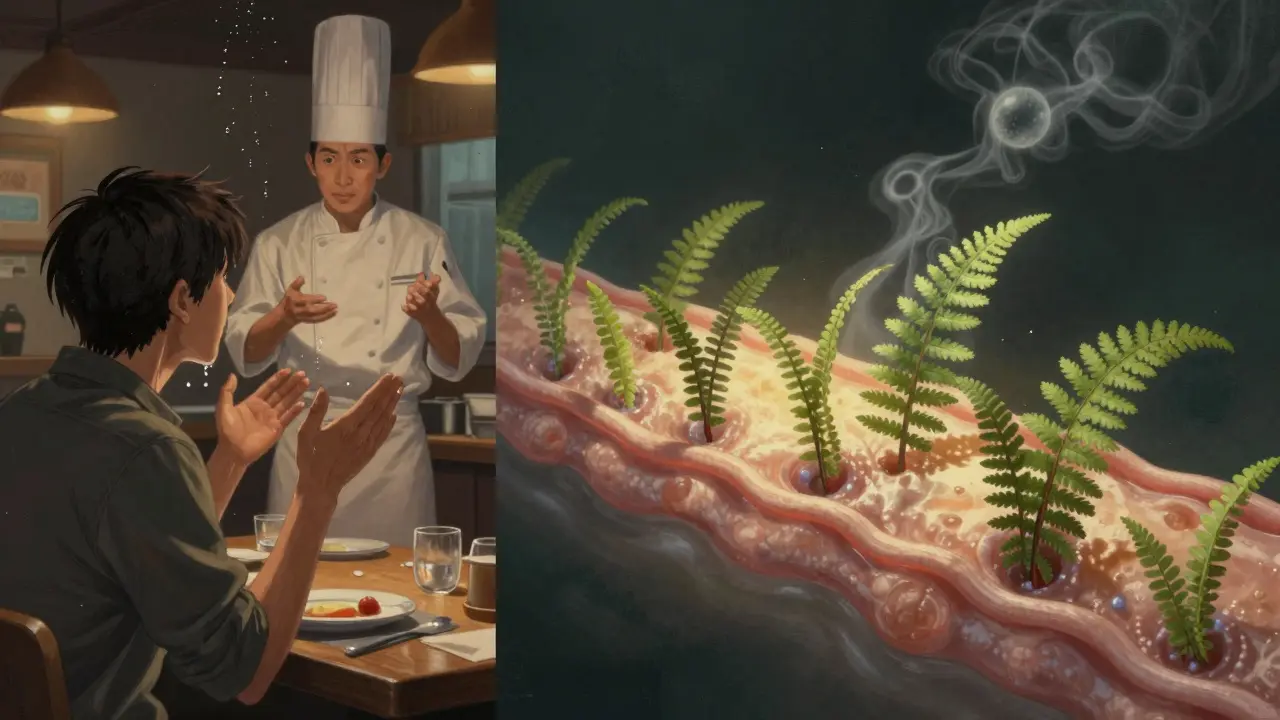
Years of damaged villi mean many people with celiac disease enter diagnosis with serious deficiencies:
- Iron deficiency (33%) → leads to fatigue and anemia
- Vitamin D deficiency (47%) → weakens bones and immune function
- Calcium and zinc deficiencies → affect bone density and skin health
- B vitamins (especially B12 and folate) → impact energy and nerve function
Supplements are often needed short-term. A multivitamin with iron, vitamin D3 (2000-4000 IU/day), and B-complex is common. Blood tests should be done at diagnosis and again after 6-12 months on the diet to track recovery.
What’s Coming Next? New Treatments on the Horizon
While the gluten-free diet works, it’s not perfect. That’s why researchers are racing to develop alternatives.
Three therapies are in advanced trials:
- Nexvax2: A vaccine-like therapy that desensitizes the immune system to gluten. Phase 2 results showed a 42% drop in symptoms.
- Latiglutenase: An enzyme pill that breaks down gluten in the stomach before it reaches the intestine. In trials, it reduced symptoms by 37%.
- TAK-101: A nanoparticle treatment that teaches the immune system to ignore gluten. It cut intestinal damage by 63% in a 2023 study.
These aren’t cures yet. But they could one day allow people to eat gluten occasionally without damage. For now, they’re backup options-not replacements.
Other research is focused on better tools: apps that scan food labels for hidden gluten, portable devices that detect gluten at 5 ppm (95% accuracy), and microbiome therapies that might reduce sensitivity.
Living Well with Celiac Disease
Celiac disease changes your life-but it doesn’t have to control it. With the right knowledge, support, and tools, most people thrive.
Connect with communities like r/celiac (245,000 members) or Beyond Celiac. Use apps like Find Me Gluten Free to locate safe restaurants. Keep emergency gluten-free snacks in your bag. Educate family members. Don’t be afraid to speak up at restaurants or social gatherings.
And remember: You’re not alone. One in 100 people worldwide have this condition. The gluten-free aisle wasn’t always this full. The awareness wasn’t always this high. Progress is real. And with every label you read, every restaurant you ask, you’re helping make the world safer for the next person.
Can celiac disease go away if I stop eating gluten?
No. Celiac disease is a lifelong genetic condition. Stopping gluten stops the damage and allows healing, but the immune system still reacts to gluten if it’s ever eaten again. There’s no cure, and the disease doesn’t disappear-even if you feel fine.
Is a gluten-free diet healthy for people without celiac disease?
Not necessarily. Many gluten-free products are lower in fiber, iron, and B vitamins because they’re made with refined flours and lack fortification. Unless you have celiac disease, non-celiac gluten sensitivity, or a doctor-recommended reason to avoid gluten, there’s no proven health benefit-and you might miss out on key nutrients found in whole grains.
Can I eat oats if I have celiac disease?
Only if they’re labeled gluten-free. Regular oats are often contaminated with wheat, barley, or rye during farming or processing. A small percentage of people with celiac disease still react to pure oats due to a protein called avenin. Always check with your doctor before adding oats to your diet.
Why do I still feel tired after being gluten-free for a year?
Fatigue after a year on a gluten-free diet could mean ongoing gluten exposure (even tiny amounts), another condition like thyroid disease or iron deficiency, or poor nutrition. Get blood tests for iron, ferritin, vitamin D, B12, and thyroid function. Work with a dietitian who specializes in celiac disease to review your diet.
Are there any medications that contain gluten?
Yes. Up to 37% of prescription drugs use gluten-containing fillers like starch or modified food starch, but manufacturers aren’t required to list it on labels. Always ask your pharmacist to check the inactive ingredients. Resources like www.glutenfreedrugs.com can help identify safe options.
How do I know if my gluten-free diet is working?
Symptom improvement is a good sign, but the best indicator is a drop in tTG antibody levels on blood tests. Your doctor should retest you 6-12 months after starting the diet. A follow-up endoscopy may be recommended if symptoms persist or antibodies stay high.





Chelsea Harton
17 January 2026 - 15:45 PM
gluten just *exists* now. like, why is everything gluten? my toast, my soy sauce, my lip balm 😭
Corey Chrisinger
18 January 2026 - 17:06 PM
it’s wild how the gut isn’t just a passive tube-it’s an active participant in the immune war. we used to think of it as a wall, but now it’s like the wall is yelling at the invaders too 🤯
kinda makes you wonder what else our bodies are secretly screaming about.
Travis Craw
20 January 2026 - 11:49 AM
i didn’t know about the 20ppm rule. i thought ‘gluten-free’ meant no gluten at all. turns out i’ve been eating crumbs for years and just assumed i was fine.
now i’m paranoid about my toaster. and my butter knife. and my dog’s nose.
vivek kumar
21 January 2026 - 09:39 AM
the claim that 30% of people carry HLA-DQ2/DQ8 genes is misleading. yes, 30% carry the genes-but only 1-3% develop celiac. genetics alone don’t cause disease. environment, microbiome, and epigenetics matter. stop reducing autoimmune disorders to single-gene destiny.
your article oversimplifies a complex system.
Riya Katyal
21 January 2026 - 13:08 PM
oh so *now* the gut is a traitor? cute. so if my intestine starts a revolution against gluten, does it get a medal or a restraining order? 🤡
also, who approved play-dough as a gluten source? someone had a bad day at the FDA.
Henry Ip
23 January 2026 - 07:38 AM
the part about nutrient deficiencies hit hard. i went gluten-free in 2021 and didn’t get tested for iron or vit d until 2023. by then i was exhausted all the time.
if you’re newly diagnosed, get bloodwork. don’t wait for ‘feeling better’-that’s not the whole story.
and yes, certified oats are fine. i eat them daily.
Kasey Summerer
24 January 2026 - 19:22 PM
the idea that gluten-free products cost 242% more is criminal. in india, we don’t even have a gluten-free aisle. if you’re poor and have celiac, you’re screwed.
and yes, i’ve seen people die from misdiagnosis here. no one believes you when you say ‘i can’t eat bread’.
you’re not just avoiding gluten-you’re fighting a system that doesn’t see you.
kanchan tiwari
25 January 2026 - 18:44 PM
they’re hiding something. why is this disease exploding now? 1 in 100? it was 1 in 1000 in 2000. who profits from gluten-free bread? big pharma? the USDA? the wheat lobby is terrified. they’re pushing this so you’ll buy expensive fake bread and keep taking supplements forever.
it’s a scam. a gluten-free conspiracy.
just eat real food. like rice. like meat. like vegetables. why do you need a label to tell you what’s safe?
Bobbi-Marie Nova
26 January 2026 - 07:26 AM
my mom had celiac and didn’t know for 20 years. she thought she was just ‘always tired’. now she’s hiking in patagonia at 72.
you’re not broken. you’re just wired differently. and honestly? gluten-free tacos are better than regular ones. just saying.
you got this. 💪❤️