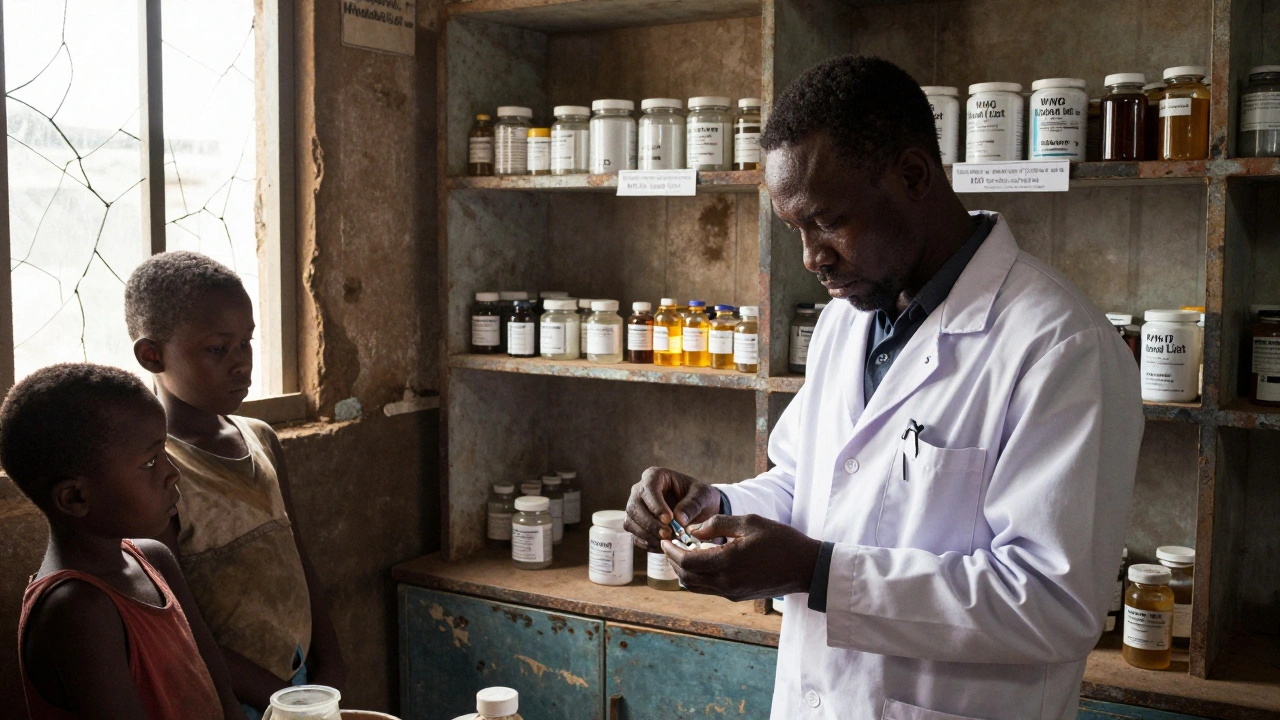
The WHO Model List of Essential Medicines isn’t just a list-it’s the backbone of affordable, life-saving drug access in over 150 countries. First published in 1977, this biennial update by the World Health Organization identifies which medicines every health system, no matter how poor or remote, should have on hand. It’s not about having every drug ever made. It’s about having the right ones: proven, safe, affordable, and available when you need them. And overwhelmingly, those are generics.
What Makes a Medicine "Essential"?
The WHO doesn’t pick medicines based on popularity or profit. Every drug on the list must meet strict criteria: it must treat a disease that affects a large number of people, have clear proof it works, be safe enough for use in primary care, and cost less than alternatives. The evidence must come from high-quality clinical trials-randomized, controlled, and peer-reviewed. A medicine needs to score at least 7.5 out of 10 overall, with no single category below 7. Public health impact counts for 30%, safety and efficacy another 30%, and cost-effectiveness 25%. If a drug doesn’t clear these bars, it doesn’t make the list.Take antibiotics. Nearly half of all medicines on the 2023 list are for infections-antibiotics, antivirals, antifungals. That’s because preventable infections still kill millions each year, especially in places without hospitals. The same goes for hypertension, diabetes, and cancer medicines. These aren’t luxury treatments. They’re survival tools.
Generics Are the Core, Not an Afterthought
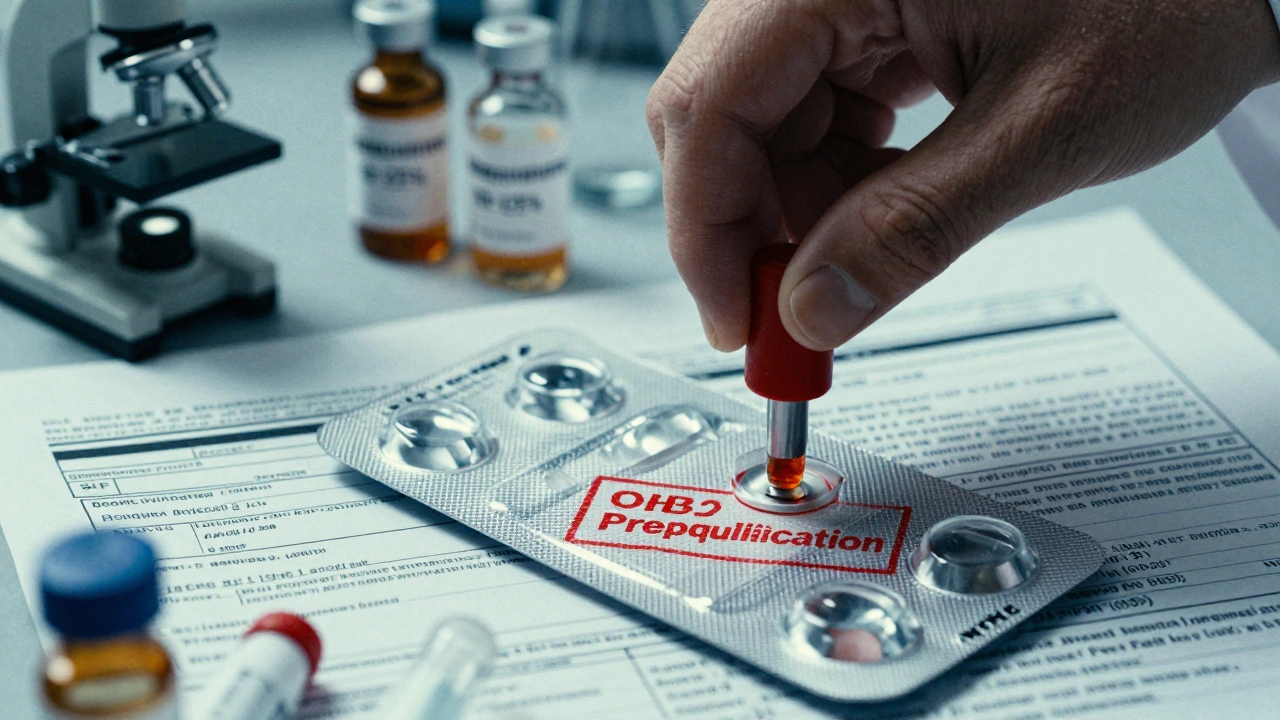
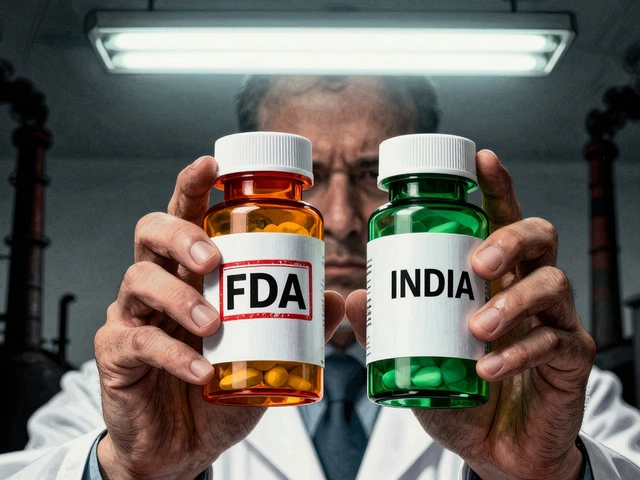
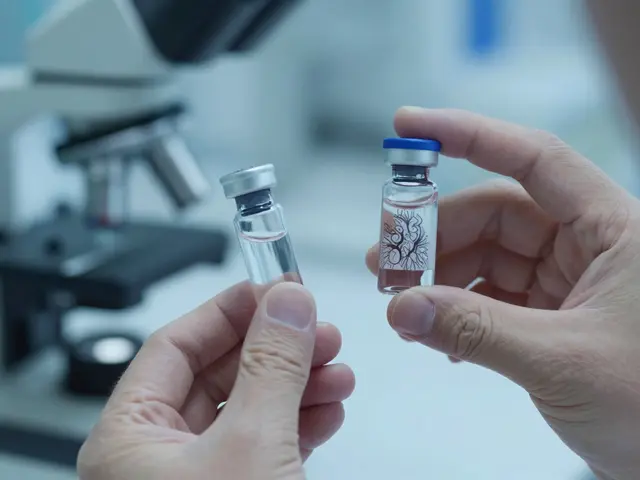
Of the 591 medicines on the 2023 list, 273 are generics. That’s 46%. And it’s intentional. The WHO doesn’t just accept generics-it actively promotes them. Why? Because a generic version of a drug can cost 10 to 90% less than the brand-name version, without sacrificing quality. For a country spending its entire health budget on medicines, that difference means thousands more people get treated.But not all generics are equal. The WHO requires every generic on the list to meet one of two standards: WHO Prequalification or approval by a stringent regulatory authority like the U.S. FDA, the European EMA, or Japan’s PMDA. These aren’t just paperwork checks. They involve rigorous testing of how the drug is made, stored, and absorbed in the body. For a generic to be approved, it must show bioequivalence-meaning it delivers the same amount of active ingredient into the bloodstream as the original, within a narrow range (80-125% for most drugs, tighter for drugs like warfarin or thyroid meds). This isn’t theoretical. In 2023, 92% of the generics on the WHO list had passed this bar.
How It’s Different From Hospital or Insurance Formularies
Don’t confuse the WHO Model List with a hospital formulary or an insurance plan’s drug list. In the U.S., Medicare Part D requires at least two drugs in each of 57 therapeutic categories. Insurance companies create tiers-$5 copay for generics, $50 for brands, $100 for specialty drugs. Their goal is to control costs for the insurer, not maximize health for the population.The WHO doesn’t care about tiers. It doesn’t care if a drug is covered by insurance. It cares if it saves lives at scale. If one drug is clearly the best option-safe, effective, cheap-it’s the only one listed. No backup. No alternatives just to give patients choice. That’s why some categories have just one medicine. It’s not a flaw. It’s precision.
Also, the WHO doesn’t tell countries how to pay for drugs. It doesn’t set copays or require prior authorization. It just says: these are the medicines you need. How you get them, how you pay for them, how you train your staff-that’s up to you.
Real-World Impact: Where It Works and Where It Doesn’t
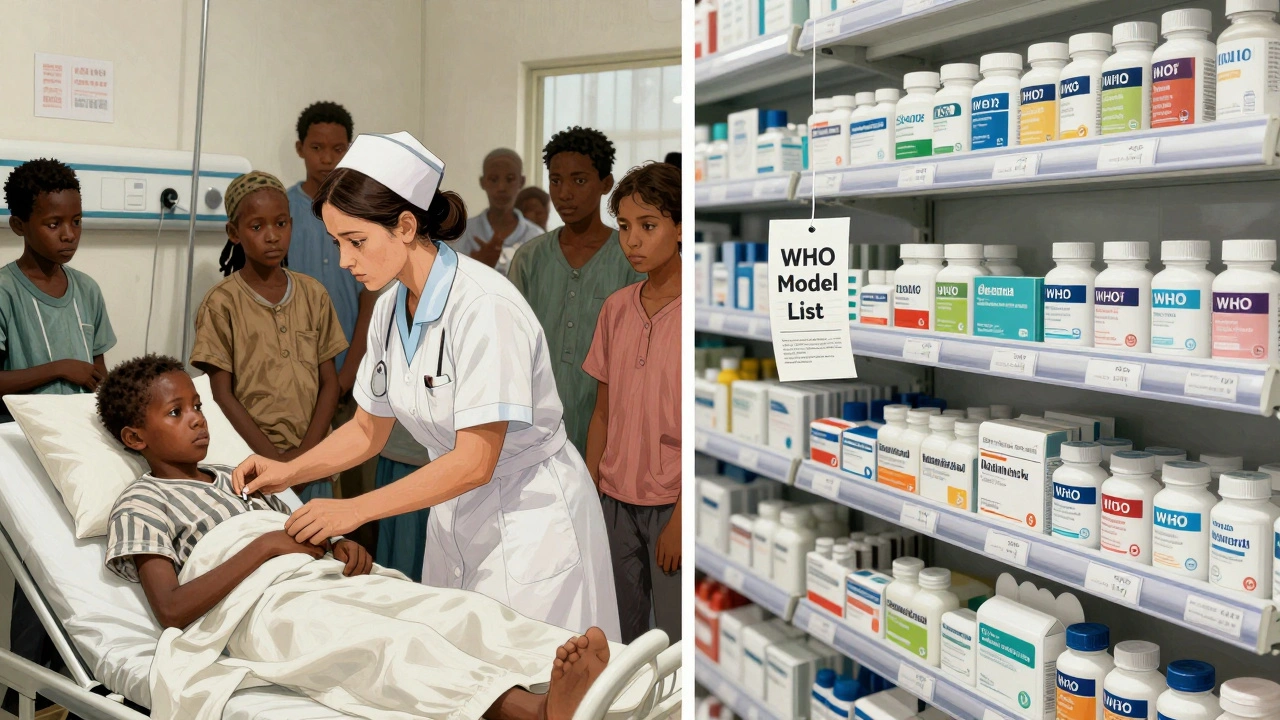
In Ghana, after the National Health Insurance Authority aligned its drug list with the WHO Model List, out-of-pocket spending on medicines dropped by 29% between 2018 and 2022. Pharmacists saw more consistent stock of generics for high-blood pressure and diabetes. In India, hospitals using WHO-recommended antibiotic lists cut antimicrobial costs by 35%.But success isn’t universal. In Nigeria, a 2022 survey found only 41% of essential medicines were reliably available. The problem wasn’t the list-it was the supply chain. Stockouts averaged 58 days per medicine. In low-income countries, 68% report struggling to adapt the WHO list to local realities: no refrigeration for certain drugs, no trained staff to monitor side effects, no way to track inventory.
Even in high-income countries, the list has limited direct influence. Only 22% of U.S. hospital pharmacy directors regularly consult it. They rely on domestic databases like Micromedex. But the WHO list still shapes global procurement. The Global Fund, UNICEF, and Gavi buy 85% of their medicines based on it. That’s $15.8 billion in annual spending tied to these standards.
The Generics Market: Progress and Problems
The WHO’s push for generics has driven down prices dramatically. Since 2008, the cost of generic HIV antiretrovirals has fallen from $1,076 per patient per year to just $119. That’s an 89% drop. It’s why 29.8 million people now have access to HIV treatment, up from 800,000 in 2003.But the market is fragile. Three countries-India, China, and the U.S.-produce 78% of the world’s generic medicines. During the pandemic, when borders closed and shipping slowed, 62% of low-income countries faced shortages of key antibiotics. The system works when supply chains are stable. It breaks when they’re not.
Another threat: substandard and falsified medicines. WHO surveillance found that 10.5% of samples of essential medicines in low- and middle-income countries didn’t meet quality standards. Antibiotics and antimalarials were most affected. Even if a drug is on the WHO list, if it’s fake or weak, it won’t help. That’s why WHO Prequalification matters so much-it’s the only global filter for quality.
What’s New in 2023 and Beyond
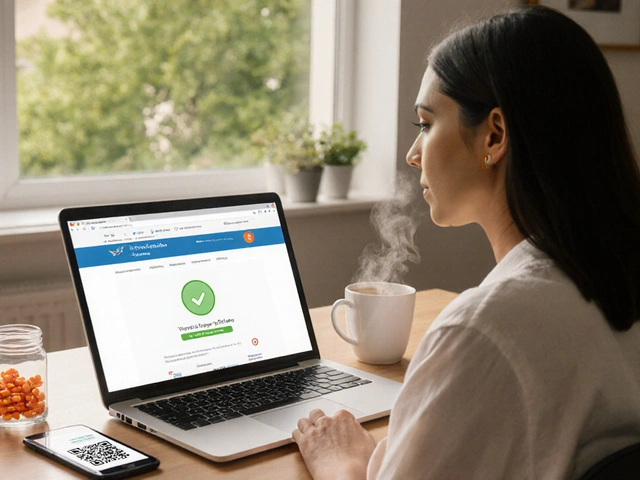
The 2023 update brought major changes. For the first time, it included biosimilars-generic versions of complex biologic drugs like monoclonal antibodies used in cancer and autoimmune diseases. Seven of these were added, with stricter bioequivalence rules (85-115% range). It also expanded pediatric formulations-42% of listed medicines now come in child-friendly forms like liquids or dissolvable tablets, up from 29% in 2019.A new WHO Essential Medicines App, launched in September 2023, has been downloaded over 127,000 times across 158 countries. It lets pharmacists and doctors check drug availability, dosing, and alternatives on their phones-even in areas with no internet.
The WHO is now linking the list more closely to universal health coverage. By 2030, it aims to raise the percentage of primary care facilities with essential medicines available to 80%, up from 65%. It’s also rolling out new prescribing guidelines to fight antimicrobial resistance, requiring hospitals to tier antibiotics like they do in high-income settings.
Challenges Ahead
Critics point out that the WHO still relies too much on industry-funded trials. In 2023, 45% of the evidence supporting new inclusions came from pharmaceutical companies, up from 28% in 2015. The WHO says it now requires full disclosure of conflicts of interest-and 100% of committee members complied in 2023. But trust remains an issue.Another problem: slow adoption of new drugs. Only 12% of novel medicines approved between 2018 and 2022 made it onto the 2023 list. In contrast, high-income countries add 35-45% of new drugs to their formularies within two years. The WHO’s caution is meant to protect patients from unproven treatments. But in some cases, it delays access to life-changing therapies.
And funding? Only 31% of low-income countries spend more than 15% of their health budgets on medicines-the level WHO says is needed for reliable access. Without that investment, even the best list is just paper.
Why It Still Matters
The WHO Model List isn’t perfect. It’s not a magic bullet. But it’s the only global standard that puts health over profit. It’s the reason a child in rural Malawi can get a generic antibiotic for pneumonia. It’s why a mother in Bangladesh can afford insulin for her diabetic son. It’s why global health programs can buy drugs at scale and save millions of lives.It’s not about replacing national systems. It’s about giving them a clear, science-backed foundation. Countries that use it see 23-37% lower pharmaceutical spending and better health outcomes. That’s not a guess. That’s data.
The real test isn’t whether the list is comprehensive. It’s whether the medicines on it are actually available when someone needs them. And that’s where the work begins-not with the list, but with the systems that deliver it.
Is the WHO Model List the same as a national formulary?
No. The WHO Model List is a global recommendation of which medicines are most needed for public health. National formularies are country-specific lists that include implementation rules-like which drugs are covered by insurance, how much patients pay, and which prescribers can order them. Countries use the WHO list as a starting point but adapt it to their budgets, supply chains, and health priorities.
Are all generics on the WHO list safe?
Only those that meet WHO Prequalification or approval by a stringent regulatory authority like the FDA or EMA. These require proof of bioequivalence, manufacturing quality, and stability. But not all generics in the market meet these standards. In some countries, up to 10.5% of essential medicine samples are substandard or falsified. The WHO list helps identify which generics are trustworthy-but it doesn’t control the entire supply chain.
Why doesn’t the WHO list more new drugs?
The WHO prioritizes proven, cost-effective medicines over novelty. New drugs often lack long-term safety data and are expensive. The committee waits for real-world evidence before adding them. Only 12% of new drugs approved between 2018 and 2022 made the 2023 list. This cautious approach protects patients but can delay access to breakthrough treatments in some cases.
Can high-income countries use the WHO Model List?
Yes, but rarely for domestic use. U.S. and European hospitals mostly follow their own national compendia. However, the WHO list is used by global health programs, NGOs, and public hospitals in high-income countries that work overseas. It’s also referenced in policy discussions on drug pricing and generic substitution.
How often is the WHO Model List updated?
Every two years. The latest version is the 23rd edition, published in July 2023. The next update is expected in 2025. The process involves a committee of 25 independent experts from 18 countries who review hundreds of applications and new evidence before making changes.

Aileen Ferris
10 December 2025 - 19:29 PM
who even cares about this list? i mean, if your country cant afford medicine, thats your problem, not the WHO’s. why should i pay for someone else’s healthcare? lol
Rebecca Dong
11 December 2025 - 22:14 PM
ok but what if the WHO is just a front for big pharma to push generics so they can monopolize the market? i read on a forum that the FDA and WHO are secretly run by the same people. they’re making us all dependent on cheap meds so they can control the population. why do you think they removed all the brand names? it’s not about health-it’s about control.
Sarah Clifford
12 December 2025 - 07:20 AM
why do we even need a list? just let people buy what they want. if you’re poor, tough luck. the world ain’t fair. also, generics are just knockoffs. i’d rather pay more for the real thing.
Neelam Kumari
12 December 2025 - 23:39 PM
ha! the WHO thinks generics are the solution? in india, we’ve been using generics for decades-half of them are fake, half don’t dissolve, and the rest are just sugar pills with a fancy label. you think this list fixes that? please. we need better enforcement, not more paper. your ‘science’ is a joke when your pharmacy is run by a guy who sells chai next to the medicine shelf.
Raj Rsvpraj
13 December 2025 - 09:58 AM
india produces 78% of the world’s generics-so why is the WHO still telling us what to do? we know our needs better than some foreign committee with no clue about our hospitals, our heat, our supply chains. this list is colonialism with a side of aspirin. we don’t need your approval-we need your silence.
Michelle Edwards
14 December 2025 - 17:33 PM
this is actually one of the most important things the WHO does-and it’s so underappreciated. imagine being a nurse in rural Ghana and knowing exactly which drug will save a child’s life, and having it actually in stock. that’s not luck-that’s this list. it’s not perfect, but it’s the closest thing we have to a global safety net. thank you to everyone who works on it, even when no one’s watching.
Stephanie Maillet
15 December 2025 - 06:22 AM
It’s fascinating-this list isn’t just a medical tool, it’s a philosophical statement: that human life, in its most basic form, deserves access to proven care, regardless of geography or wealth. It rejects the idea that health is a commodity, and instead treats it as a fundamental condition of dignity. And yet, we live in a world where a child’s survival hinges on whether a truck can reach a village before its insulin expires... so while the list is brilliant, it’s also heartbreaking. It reveals how far we’ve come-and how far we still have to go.
Kaitlynn nail
15 December 2025 - 09:12 AM
the real issue? nobody’s fixing the supply chain. the list is just a nice poster on the wall while the medicines rot in ports. also, why do we still use paper? download the app. it’s free. use it. or just keep pretending.