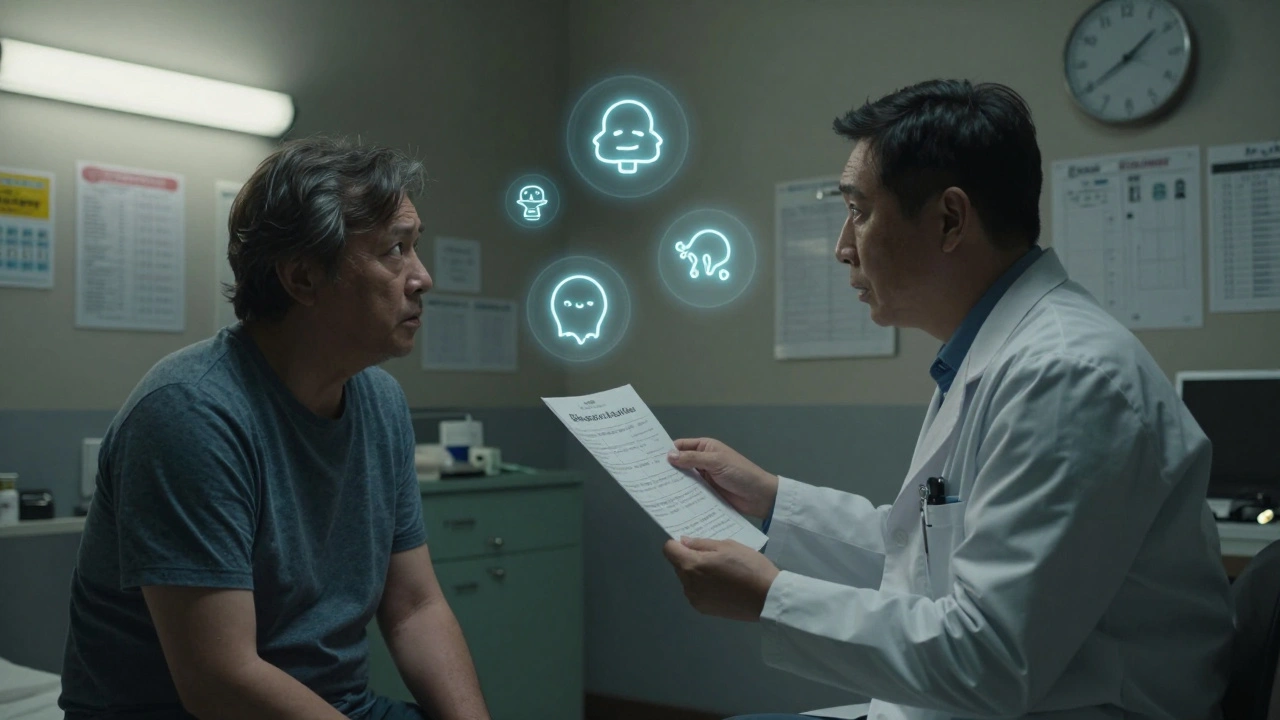
Medication Question Builder
Prepare for your next doctor visit with specific questions about your medications. Enter the medications you're taking, and we'll generate personalized questions to ask your doctor about side effects, alternatives, and safety.
Your Personalized Questions
Every year, over 1.3 million people in the U.S. end up in the emergency room because of unexpected reactions to their medications. Many of these cases aren’t accidents-they’re avoidable. The biggest reason? Patients don’t ask the right questions. Not because they’re careless, but because they don’t know what to ask. If you’re taking even one prescription, you need to know how to talk to your doctor about what your meds might do to you.
Why This Matters More Than You Think
You’re not alone if you’ve ever taken a pill and wondered, “Is this normal?” A dry mouth, a dizzy spell, trouble sleeping-these aren’t always just part of life. They could be side effects. And if you’re over 65, or taking five or more medications, your risk goes up fast. Nearly 42% of people over 80 are on five or more drugs. That’s called polypharmacy. And with each added pill, the chance of something going wrong climbs. The FDA says medication side effects cause more ER visits than falls or infections in older adults. But here’s the good news: when patients ask clear, specific questions, preventable side effects drop by over 20%.Start With the Basics: Why Are You Taking This?
Before you ask about side effects, make sure you understand why you’re taking the medicine at all. Too many people take pills because their doctor said so-and never get a real answer. Don’t settle for “It’s just for your blood pressure.” Ask: “Why am I taking this?” What condition is it treating? Is it for symptoms, or to prevent something serious like a stroke or heart attack? If your doctor says, “It’s just a precaution,” push back. You deserve to know the exact reason. This isn’t just curiosity-it’s safety. If you don’t know the purpose, you won’t know if the medicine is even working.What Are the Real Side Effects? Not the List, the Likely Ones
Every pill comes with a long list of possible side effects. Some are rare. Others are common. Your doctor should tell you which ones you’re most likely to see. For example, if you’re on an anticholinergic drug (common for allergies, bladder issues, or depression), dry mouth, constipation, confusion, and dizziness are not just “possible”-they happen in nearly 30% of users. Don’t just read the leaflet. Ask: “Which side effects actually happen to most people?” And follow up with: “Which ones mean I should call you right away?” The FDA defines serious side effects as those that cause hospitalization, disability, or death. You need to know the difference between a mild headache and a sign of something dangerous.What Can You Actually Do About Side Effects?
You shouldn’t have to suffer through side effects just because they’re “normal.” There are often simple fixes. If a drug gives you an upset stomach, ask: “Can I take it with food?” If it makes you sleepy, ask: “Should I take it at night?” For dry mouth, sipping water or chewing sugar-free gum helps. For dizziness, standing up slowly can prevent falls. One study found that patients who asked this question had 22% fewer ER visits. Don’t assume nothing can be done. Your doctor might not mention it unless you ask. And if they say, “Just wait it out,” that’s not enough. There’s almost always a way to reduce discomfort.Are There Alternatives? And What About Cost?
There’s almost always another option. Maybe a different drug with fewer side effects. Maybe a non-drug treatment. Ask: “Are there alternatives?” The Beers Criteria-a trusted guide used by doctors-lists 56 medications that are risky for older adults. If you’re over 65, make sure your doctor checks this list. Also, ask: “Is there a generic version?” Generics are just as effective and save you up to 89% on cost. A 2022 FDA report showed most generics work the same as brand names. If your insurance denies coverage, ask your doctor to write a letter explaining why the generic won’t work. Many times, they’ll approve it.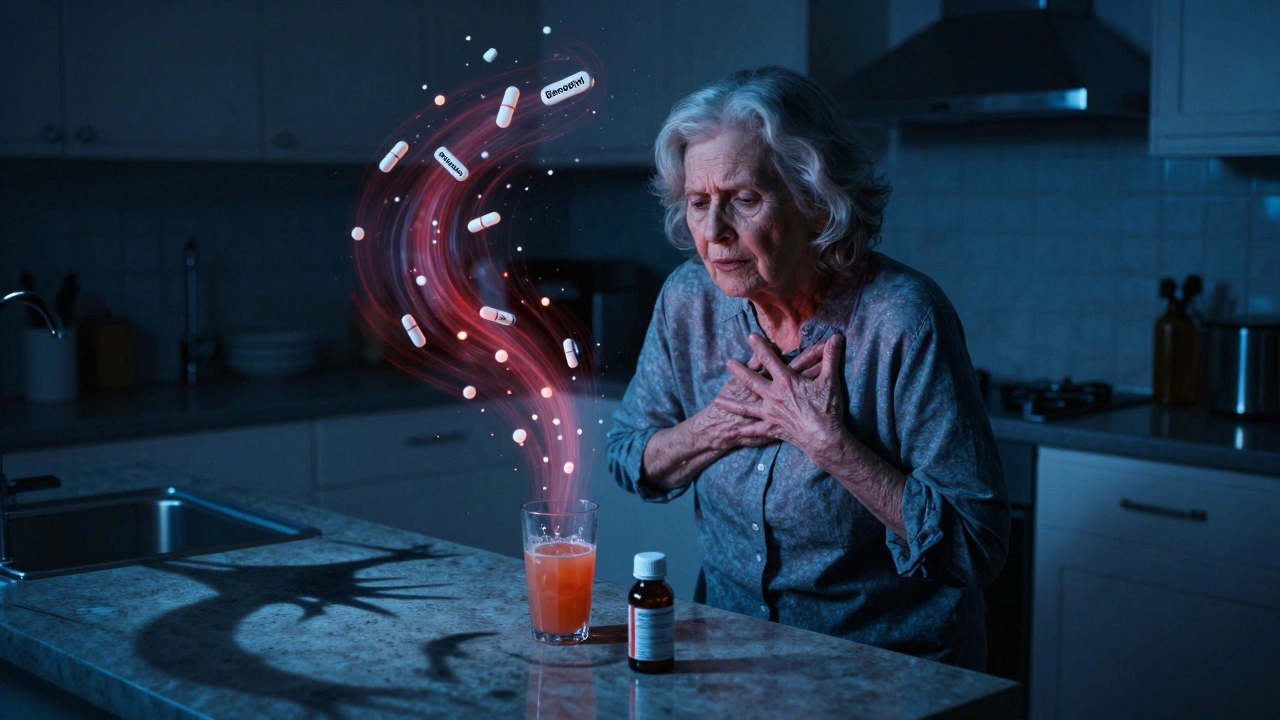
Could This Interact With Other Things I’m Taking?
It’s not just other prescriptions. It’s supplements, over-the-counter meds, even alcohol or grapefruit juice. Diphenhydramine (found in Benadryl and sleep aids) can dangerously interact with heart medications. Ibuprofen can increase bleeding risk if you’re on blood thinners. One study found that 63% of serious reactions happened because patients didn’t tell their doctor about their OTC meds. Ask: “Could this interact with anything else I’m taking?” Bring a list of everything-vitamins, herbal teas, painkillers, even CBD oil. Your pharmacist can help too. They see all your meds at once. Don’t assume your doctor knows everything you’re using.Do I Still Need This Medicine?
Medications aren’t forever. Many people keep taking pills long after they’re needed. A 2023 Cochrane Review found that 15% of prescriptions in older adults are continued unnecessarily. Maybe your blood pressure improved. Maybe your pain is gone. Maybe the original reason doesn’t apply anymore. Ask: “Do I still need to take this?” This is called deprescribing-and it’s one of the safest ways to reduce side effects. Your doctor might not bring it up. So you have to. If you’ve been on a drug for years, ask for a review every 6 to 12 months.When Should You Call the Doctor or Go to the ER?
Not every side effect needs an ER trip. But some do. Ask your doctor: “What’s a red flag?” Write this down. Common warning signs: chest pain, trouble breathing, swelling in your face or throat, sudden confusion, severe rash, or black, tarry stools. If you’re unsure, call. Don’t wait. The MedlinePlus guide says: if your medicine looks different than usual-different color, shape, or size-call your pharmacy. That’s a red flag for a dispensing error. And if you feel worse after starting a new drug, don’t ignore it. Trust your gut.How to Prepare for Your Appointment
You won’t remember everything in the moment. So prepare. Write your questions ahead of time. The Agency for Healthcare Research and Quality found that patients who write questions ask 68% more than those who don’t. Bring a list of all your meds-even the ones you skip sometimes. Include doses and how often you take them. Use a free tool like the Institute for Safe Medication Practices’ Question Builder to generate a personalized list. If you’re seeing a new doctor, bring your medication list. Don’t rely on memory. Most medication errors happen during care transitions-like after a hospital stay. And if you’re short on time, ask: “What’s the one thing I should focus on today?” That’s often the most important question.
What If Your Doctor Dismisses You?
Some doctors brush off side effect concerns, especially with antidepressants, pain meds, or blood pressure drugs. A 2023 study found that sexual side effects from antidepressants are discussed in fewer than half of appointments-even though they affect up to 73% of users. If your doctor says, “It’s all in your head,” or “Everyone gets this,” that’s not okay. You have the right to be heard. Say: “I’m not asking for a miracle-I’m asking for help managing this.” If they still won’t listen, ask for a referral to a pharmacist or a second opinion. Your safety matters more than their schedule.What’s New in 2025?
Starting January 2025, all new medication labels in the U.S. must include a 1-to-5 risk scale for side effects. This means labels will say things like “High risk of dizziness” or “Low risk of nausea.” It’s a big step toward clearer communication. Also, Medicare now pays doctors $28 to $41 extra for spending time discussing medication safety. That means more doctors will have incentive to ask you these questions too. And AI tools are now being tested to predict your personal side effect risks based on your health history. These won’t replace your doctor-but they’ll help you ask better questions.Final Thought: You’re the Boss of Your Body
No one knows your body like you do. Your doctor has the knowledge. But you have the experience. The goal isn’t to argue. It’s to partner. The more you ask, the safer you are. And if you’re taking medications, you’re not just a patient-you’re a participant in your own care. Start small. Pick one question to ask at your next appointment. Write it down. Say it out loud. That’s how change begins.What are the most common side effects of prescription medications?
The most common side effects include dry mouth, dizziness, nausea, constipation, fatigue, and headaches. For older adults, anticholinergic drugs can cause confusion, blurred vision, and urinary retention. These aren’t rare-they affect up to 40% of people on certain medications. Always ask your doctor which side effects are likely for your specific drug.
Can side effects go away over time?
Yes, some do. Your body may adjust after a few weeks. Nausea or drowsiness from antidepressants often improves within 10 to 14 days. But not all side effects fade. Some get worse, or become permanent. If a side effect lasts longer than 3 weeks-or gets worse-talk to your doctor. Don’t assume it’s normal.
Should I stop taking a medication if I have side effects?
Never stop a prescription without talking to your doctor. Stopping suddenly can cause withdrawal, rebound symptoms, or even dangerous health events. For example, stopping blood pressure meds cold turkey can trigger a heart attack. Always ask: “What happens if I stop?” before making any changes.
How do I know if a side effect is serious?
The FDA defines serious side effects as those that cause death, hospitalization, disability, birth defects, or are life-threatening. If you have chest pain, trouble breathing, swelling, sudden confusion, or black stools, seek help immediately. When in doubt, call your doctor or go to urgent care. It’s better to be safe.
Can I ask my pharmacist instead of my doctor?
Yes, and you should. Pharmacists are medication experts. They see your full list of drugs and can spot interactions your doctor might miss. Ask them about side effects, timing, food interactions, and what to do if you miss a dose. Many pharmacies offer free 10-minute consultations. Use them.
What if I can’t afford my medication because of side effects?
Side effects shouldn’t cost you more. If a drug makes you sick and you can’t take it, tell your doctor. There may be a cheaper or better alternative. Many drug companies offer patient assistance programs. Your pharmacist can help you apply. Also, ask about generic versions-they’re just as effective and often cost 80% less.
Next Steps: What to Do Today
1. Write down every medication you’re taking, including doses and why you take them.2. Pick one question from this list and write it down.
3. Call your doctor’s office and ask to speak with a nurse or pharmacist before your next visit.
4. If you’re over 65 or on five or more meds, request a full medication review.
5. Download the free Question Builder tool from the Institute for Safe Medication Practices-it takes 2 minutes and gives you a personalized list.
Medication safety isn’t about fear. It’s about control. You don’t need to be a medical expert. You just need to ask the right questions-and keep asking until you get clear answers.




Emma Sbarge
13 December 2025 - 13:08 PM
This post is spot on. I've seen too many elderly relatives get prescribed a new pill every visit until they're taking a handful a day. No one ever asks if they still need them. I started asking my mom's doctor about deprescribing last year, and we cut three meds she didn't need. Her balance improved instantly. Why isn't this standard practice?
Richard Ayres
13 December 2025 - 23:07 PM
The emphasis on patient agency here is refreshing. Too often, medical advice is delivered as doctrine rather than collaboration. The FDA's upcoming 1-to-5 risk scale is a meaningful step toward transparency. I've started printing out my medication list and questions before every appointment - it transforms the dynamic from passive recipient to active participant.
Michael Gardner
15 December 2025 - 10:50 AM
All this talk about asking questions is just corporate wellness fluff. Doctors know what they're doing. If you're having side effects, maybe you're just weak. I've been on the same meds for 15 years and never asked a single question. Still alive. Still functional. Stop overthinking pills.
Willie Onst
15 December 2025 - 18:40 PM
Man, I love this. I'm 72 and took my first real meds review last month. My pharmacist sat with me for 20 minutes, flagged three interactions I didn't know about, and helped me switch to a cheaper generic. I felt like I finally got to be part of the team. You're not a patient - you're a teammate. And teammates ask questions. Thanks for the reminder.
Jennifer Taylor
16 December 2025 - 20:17 PM
EVERY SINGLE ONE OF THESE MEDS IS A GOVERNMENT CONTROL PLOY. THEY WANT YOU DEPRESSED AND CONFUSED SO YOU DON'T QUESTION THE SYSTEM. THE FDA IS IN BED WITH BIG PHARMA. I'VE BEEN TAKING CBD OIL FOR 3 YEARS AND MY DOCTOR WOULDN'T EVEN LOOK AT ME WHEN I ASKED ABOUT INTERACTIONS. THEY'RE SCARING YOU INTO STAYING ON DRUGS. THE 1-5 RISK SCALE? IT'S A LIE. THEY'LL MAKE IT LOOK SAFE SO YOU'LL KEEP TAKING THEM. I'M TAKING MIRACLE MUD NOW. IT'S FROM A TRIBE IN THE AMAZON. I SAW IT ON YOUTUBE. I FEEL LIKE A NEW PERSON.
Shelby Ume
18 December 2025 - 15:36 PM
I'm a nurse, and I see this every day. Patients don't ask because they're intimidated, overwhelmed, or told 'it's just part of aging.' But here's the truth: the most powerful tool in healthcare isn't a drug - it's a well-prepared question. Write them down. Bring a friend. Use the Question Builder tool. I've watched patients go from silent to empowered in one visit. You're not being difficult - you're being smart.
Jade Hovet
19 December 2025 - 02:04 AM
OMG YES!! 😭 I was so scared to ask about the dizziness from my blood pressure med… turned out I could take it at night and it helped SO MUCH!! I also started chewing gum for dry mouth and it’s like night and day 🍭 thank you for this!! I printed the checklist and gave it to my grandma too!! 💪❤️
nina nakamura
20 December 2025 - 00:57 AM
You're all delusional. Side effects are the price of modern medicine. If you can't handle a little dizziness or dry mouth you're not cut out for aging. The 20% reduction stat is cherry-picked. Most side effects are minor. Stop treating medicine like a horror movie. Your anxiety is the real problem.
Hamza Laassili
20 December 2025 - 18:31 PM
I've been on 7 meds for 10 years. I don't read the leaflets. I don't ask questions. I just take 'em. If you're scared of side effects, maybe you shouldn't be on meds at all. This whole post is just fearmongering. You want to live longer? Stop being a hypochondriac. I'm American. We don't whine about pills. We take 'em and get back to work.
Rawlson King
22 December 2025 - 08:56 AM
This is why Western medicine is broken. In Canada, we don't need to beg for answers. Our doctors have time. They're trained to listen. You're treating medicine like a customer service call. It's not. It's a sacred trust. Your approach is transactional. You're reducing health to a checklist. That's not care - that's consumerism.
Constantine Vigderman
22 December 2025 - 10:47 AM
YESSSS!!! 🙌 I started using the Question Builder tool last month and asked about my cholesterol med - turns out I didn't need it anymore! My doctor was shocked I knew to ask. I'm telling everyone I know. This is the kind of info that saves lives. Don't wait until you're in the ER to speak up. Start today. You got this!! 💪❤️
Cole Newman
24 December 2025 - 06:54 AM
You all act like you're the first person to ever think about side effects. I've been doing this since 2018. I've got spreadsheets. I track everything. I know which meds interact with grapefruit, which ones cause constipation, which ones make you dream about your ex. You're just catching up. The real question is - why didn't your doctor already tell you this?