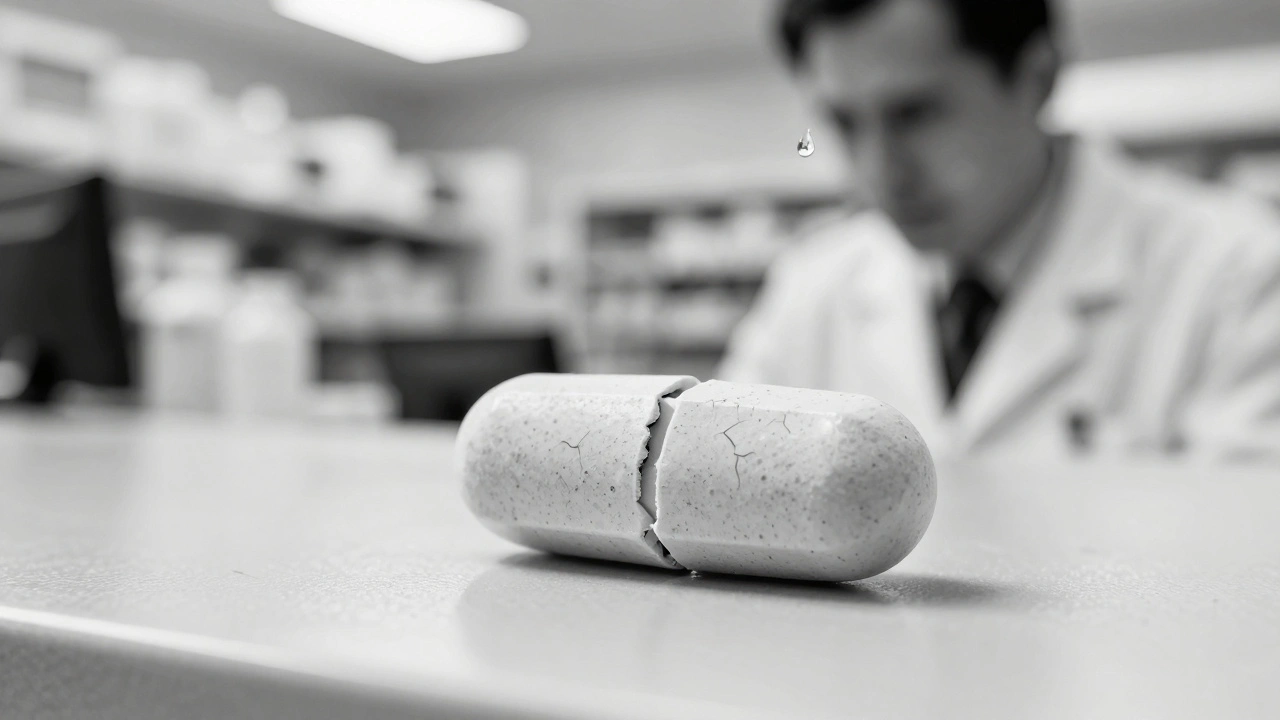
When you pick up a generic pill at the pharmacy, you expect it to work just like the brand-name version. But behind that simple tablet is a complex manufacturing process where small mistakes can lead to serious safety risks. In 2023, generic drug defects caused over 1,800 adverse event reports to the FDA-many involving cracked tablets, uneven dosing, or visible contamination. These aren’t rare glitches. They’re systemic problems rooted in outdated equipment, cost-cutting pressures, and insufficient quality controls.
Why Generic Drugs Have More Quality Problems
Generic drugs make up 90% of prescriptions in the U.S., but they account for nearly two-thirds of all drug shortages linked to quality failures. Why? The math is simple: manufacturers compete on price, not quality. While brand-name companies spend 15-18% of production costs on quality assurance, generics average just 8-10%. That gap shows up in inspection results: 57% of generic manufacturing facilities failed FDA checks in 2023, compared to 28% for branded drug makers. The pressure to cut costs leads to shortcuts. Aging tablet presses aren’t replaced. Cleanrooms aren’t upgraded. Staff training gets reduced. And when multiple drugs are made on the same line, cross-contamination becomes a real threat. A single batch of metformin ER that crumbles during packaging isn’t just a cosmetic issue-it’s a sign the entire production line is out of control.Top 5 Manufacturing Defects in Generic Medications
Not all defects are created equal. Some are harmless. Others can kill. Here are the five most common issues found in generic drugs, backed by FDA data and pharmaceutical engineering studies:- Capping: The top or bottom of a tablet splits off during handling or swallowing. This happens when compression force exceeds 15 kN and moisture content drops below 2% in hydrophobic formulations. In 2023, capping was responsible for 31% of all oral solid defects in generics.
- Lamination: Layers of the tablet separate, often unnoticed until the patient takes it. This occurs when turret speeds go above 40 rotations per minute and pre-compression is too weak. Laminated tablets can release the active ingredient too fast-or not at all.
- Weight Variation: Tablets vary in weight beyond the USP <905> limit of ±5%. When granule flow rates drop below 0.5 g/s, dosing becomes inconsistent. Studies show 12.7% of affected batches have doses that are dangerously high or low-especially risky for drugs like levothyroxine or warfarin.
- Punch Sticking: The active ingredient sticks to the machine’s punch head, causing uneven tablet surfaces and inconsistent dosing. This happens when APIs with melting points under 120°C meet moisture levels above 4% during long production runs. Ejection forces spike by 300-500 N, leading to broken tablets and machine downtime.
- Particulate Contamination: Tiny foreign particles-metal shavings, glass, fibers-end up in injectables. This is the #1 cause of sterile drug recalls. In 2023, 8.7% of generic injectable batches failed particulate testing, compared to 3.1% for branded versions.
How Defects Lead to Real-World Harm
A cracked metformin tablet might look odd, but if it’s missing 20% of its dose, a diabetic patient could slip into dangerous hyperglycemia. A levothyroxine tablet with inconsistent absorption can trigger heart palpitations, weight gain, or depression-even if it’s from the same manufacturer. Pharmacists report patients complaining about visible defects: mottled coloring, chipped edges, or tablets that dissolve too fast in water. In 2023, 42% of pharmacists surveyed by the American Pharmacists Association had seen patients report these issues. One pharmacist in Ohio described a batch of generic fluoxetine where 1 in 10 tablets were visibly cracked. Patients said they felt “worse than before,” even though the label hadn’t changed. That’s not placebo-it’s inconsistent dosing. The FDA’s MedWatch system logged 327 reports in 2023 of visible tablet defects alone. These aren’t just complaints. They’re early warnings of systemic failure. And when a hospital formulary committee sees 17.3% of generic substitution requests come with quality concerns, they start refusing substitutions altogether-putting patients back on more expensive brand-name drugs.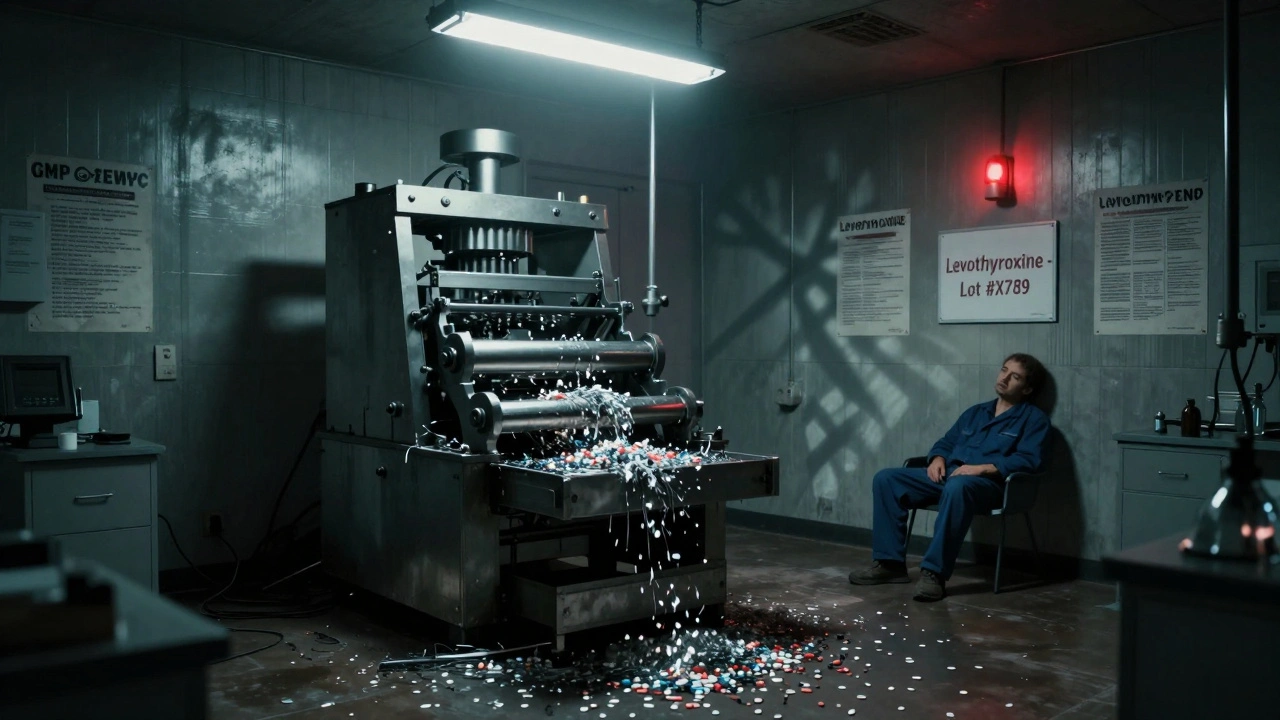
Why Some Manufacturers Succeed While Others Fail
Not all generic makers are the same. Teva, one of the largest, reported a 0.8% batch rejection rate in 2023. Smaller manufacturers averaged 3.2%. The difference? Technology and investment. Leading companies use automated visual inspection systems that detect defects as small as 0.1 mm at 600 tablets per minute. They monitor tablet weight in real time, rejecting any that fall outside ±5% of target. They calibrate presses to ±0.05 mm precision and train staff for 40+ hours a year on GMP protocols. But many facilities still rely on human inspectors-people who miss 30% of defects. One study found that even experienced workers failed to catch 1 in 4 capping incidents. AI-powered systems now detect 92% of defects, compared to 78% for traditional methods. Yet only 47 generic manufacturers have joined the FDA’s Emerging Technology Program to adopt these advances.What’s Being Done-and What’s Not
The FDA is pushing for change. Their 2024-2027 plan aims to cut quality-related shortages by 30% by incentivizing continuous manufacturing, which reduces defects by 65% compared to traditional batch processing. The 2024 Drug Supply Chain Security Act now requires track-and-trace for high-risk generics, cutting counterfeit-related issues by 22% in early trials. But progress is slow. The Generic Pharmaceutical Association estimates it would take $28.7 billion to upgrade all U.S. generic manufacturing facilities to modern standards. The industry spends only $1.2 billion annually. That leaves a $27.5 billion gap. Regulators are also tightening. In 2023, 42% of FDA Warning Letters to drugmakers cited manufacturing quality defects as the primary violation-up from 28% in 2020. The EMA reported a similar rise: 37% of rejected generic applications in 2023 were due to manufacturing flaws, up from 29% in 2019.
What Patients and Providers Can Do
You can’t control the factory, but you can protect yourself:- Check your pills. If they look different-color, shape, markings-ask your pharmacist. Don’t assume it’s just a different supplier.
- Track your symptoms. If you feel worse after switching to a generic, document it. Report it to your doctor and the FDA’s MedWatch system.
- Ask about the manufacturer. Some generics are made by companies with better track records. Pharmacists can tell you which ones have fewer recalls.
- Don’t panic. Most generics are safe. But if you’re on a narrow-therapeutic-index drug (like warfarin, levothyroxine, or cyclosporine), consistency matters more than cost.
The Future of Generic Drug Quality
The tide is turning-but slowly. AI-driven quality control, continuous manufacturing, and real-time analytics are proving they can slash defect rates. Companies like Sandoz and Dr. Reddy’s are already seeing 90%+ accuracy in automated defect detection. But without serious investment, the system will keep failing. The same manufacturers that cut corners to save $100,000 on a new tablet press may end up paying millions in recalls, lawsuits, and lost trust. Patients deserve safe, reliable medication. Generics are essential to affordable care. But affordability shouldn’t come at the cost of safety. The next time you pick up a generic pill, remember: its quality wasn’t an accident. It was a choice.Are generic drugs less safe than brand-name drugs?
Most generic drugs are safe and effective. But they have significantly higher rates of manufacturing defects-3.2 times more than brand-name drugs-due to cost pressures and outdated equipment. These defects can lead to inconsistent dosing, contamination, or physical tablet failures that affect safety.
What should I do if my generic pill looks different?
Don’t assume it’s normal. Check the pill imprint, color, and shape against your previous prescription. If it looks cracked, discolored, or misshapen, ask your pharmacist for the manufacturer name and batch number. Report any concerns to your doctor and the FDA’s MedWatch system. Some changes are harmless, but others signal quality issues.
Which generic drugs are most likely to have defects?
Complex generics like inhalers (18.2% defect rate), modified-release tablets (14.7%), and sterile injectables (8.7%) have the highest defect rates. Simple immediate-release tablets have lower rates (9.3%), but defects still occur. Drugs with narrow therapeutic windows-like levothyroxine, warfarin, and cyclosporine-are especially risky if dosing is inconsistent.
Can I trust my pharmacist’s advice on generics?
Yes, but be specific. Pharmacists know which manufacturers have better quality records and which batches have had recalls. Ask: “Which company makes this generic?” and “Has this batch had any issues?” Many pharmacists track this data and can help you avoid problematic suppliers.
How can I report a bad generic drug?
Report it to the FDA’s MedWatch program at fda.gov/medwatch. Include the drug name, manufacturer, lot number, and details of the defect (e.g., “tablet cracked,” “looks mottled,” “caused nausea”). You can also tell your doctor. Each report helps regulators identify patterns and trigger inspections or recalls.

Abhi Yadav
4 December 2025 - 22:25 PM
life is just a simulation anyway why care if your pill crumbles or not 😅
Julia Jakob
5 December 2025 - 01:07 AM
so like… the FDA just lets this shit slide because it’s cheaper? lol. i’ve had generics that looked like they were made in a basement with a waffle iron. my anxiety meds went from calming to ‘why am i screaming at my cat’ overnight. nobody cares until someone dies.
Kathleen Koopman
6 December 2025 - 02:28 AM
just checked my levothyroxine and the tablet has a weird crack on the edge. i’ve been taking it for 3 weeks and my heart’s been racing. i’m calling my pharmacist tomorrow. 🤞
Nancy M
6 December 2025 - 14:41 PM
in many developing nations, the lack of regulatory oversight means generics are the only option-and they’re often the only thing keeping people alive. while i agree quality control is critical, we must not conflate systemic underinvestment with outright malice. the real tragedy is the gap between access and safety.
gladys morante
7 December 2025 - 05:25 AM
my mom died because her generic warfarin didn’t dissolve right. they told her it was ‘just a different brand.’ no one ever told her it might be broken. now i check every pill like it’s a bomb.
David Ross
8 December 2025 - 11:45 AM
THIS is why America needs to stop outsourcing everything to India and China! We used to make our own medicine here! Now we’re trusting factories with no oversight to keep us alive? Unacceptable. Build the plants. Hire the workers. Pay the cost. Or stop complaining when your pills are falling apart.
Craig Ballantyne
10 December 2025 - 10:34 AM
the statistical divergence in defect rates between branded and generic manufacturers is statistically significant (p < 0.001), suggesting a systemic failure in the cost-driven quality optimization model. continuous manufacturing and AI-driven inline inspection are not luxuries-they are necessary interventions to maintain therapeutic equivalence.
Victor T. Johnson
12 December 2025 - 04:51 AM
they say ‘same active ingredient’ like that’s enough. but if the excipients are different, the dissolution profile changes. and if the tablet’s crumbling? that’s not bioequivalence-that’s betrayal. i’ve switched back to brand-name for my cyclosporine. worth every penny.
Nicholas Swiontek
12 December 2025 - 15:59 PM
you’re not alone. i used to think generics were all the same-until my dad’s blood pressure went haywire after a switch. turned out the batch had 30% variation in dose. we reported it. now i always check the manufacturer code. it’s worth the extra 5 minutes.
Robert Asel
12 December 2025 - 17:37 PM
the data is irrefutable. 57% of generic facilities failed FDA inspections. that’s not a glitch-it’s a structural failure of the regulatory capture model. the FDA is understaffed, underfunded, and politically neutered. the only solution is to nationalize pharmaceutical manufacturing. period.
Robert Altmannshofer
14 December 2025 - 05:26 AM
my cousin works in a generic pharma plant in indiana. she says they’re told to ‘push the line’ even when the machines are screaming. no one gets fired for cutting corners-only for slowing down. it’s not greed. it’s survival. the whole system’s rigged.
Ben Wood
14 December 2025 - 20:59 PM
obviously, the problem is that ‘cheap’ has become the only metric that matters. but let’s be real-no one wants to pay $500 for a pill. so we get pills that fall apart. it’s not a conspiracy-it’s capitalism. and it’s killing us. slowly. quietly. efficiently.
Sakthi s
16 December 2025 - 14:12 PM
thank you for this. i’m from india, and we make half the world’s generics. we need better standards too. 💪
Precious Angel
17 December 2025 - 12:51 PM
you think this is bad? wait until you find out the FDA approved a batch of insulin that had trace amounts of rat fur. they called it ‘acceptable contamination.’ and now you’re mad about a cracked tablet? 😂
Rachel Nimmons
17 December 2025 - 12:56 PM
they’re watching us. every pill you swallow is tracked. every report you file is logged. they know who’s asking questions. don’t be surprised if your insurance drops you next year for ‘non-compliance.’