
Anticoagulant Bleeding Risk Calculator
Getting blood thinners shouldn’t mean living in fear of bleeding. But for millions of people taking anticoagulants, that fear is real. Every year, 1 in 50 people on these medications ends up in the hospital because of a bleed. It’s not because they’re careless. It’s because the line between preventing clots and causing a hemorrhage is thin-and easy to misstep.
Why Blood Thinners Are Necessary-and Dangerous
Anticoagulants, often called blood thinners, don’t actually thin your blood. They slow down the clotting process. That’s vital if you have atrial fibrillation, a mechanical heart valve, or a history of deep vein thrombosis. Left unchecked, clots can cause strokes, heart attacks, or pulmonary embolisms. But the same mechanism that saves your life can also cause internal bleeding-sometimes without warning. The most common anticoagulants today fall into three groups: warfarin, heparins, and direct oral anticoagulants (DOACs) like apixaban, rivaroxaban, and dabigatran. Warfarin has been around since the 1950s. DOACs became mainstream after 2010. Each has pros and cons. But all carry a bleeding risk.Who’s at Highest Risk for Bleeding?
Not everyone on anticoagulants bleeds. But some people are far more vulnerable.- People over 75 have two to three times the risk of major bleeding compared to younger adults.
- Those with kidney problems (creatinine clearance below 50 mL/min) double their bleeding risk. DOACs are cleared by the kidneys-so if your kidneys are weak, the drug builds up.
- Patients on multiple blood-thinning drugs-like taking aspirin or clopidogrel with a DOAC-have a 50-70% higher chance of bleeding.
- People with uncontrolled high blood pressure are at greater risk of brain bleeds.
- Those with liver disease or stomach ulcers also face higher bleeding rates.
Warfarin vs. DOACs: The Bleeding Trade-Off
Warfarin has been the gold standard for decades. But it’s finicky. You need frequent blood tests (INR checks) to make sure your dose is right. The goal? Keep your INR between 2.0 and 3.0. If it’s below 2.0, clots form. Above 3.0, bleeding becomes likely. Studies show that patients who spend less than 70% of their time in that target range have a 15% higher risk of major bleeding per 10% drop in time-in-range. That’s why so many end up in the ER after a fall or minor surgery-because their INR was out of control. DOACs changed the game. No more weekly blood draws. Fixed doses. Fewer food interactions. And they’re safer. In clinical trials, DOACs caused 19-20% fewer major bleeds than warfarin. Apixaban, in particular, cut major bleeding by 31% compared to warfarin in the ARISTOTLE trial. But DOACs aren’t perfect. They’re expensive-apixaban costs about $550 a month without insurance. Warfarin? Four dollars. And while DOACs don’t need INR monitoring, they also don’t have easy ways to check if they’re working. That’s a problem if you’re bleeding and the ER doesn’t know if you’re over-anticoagulated.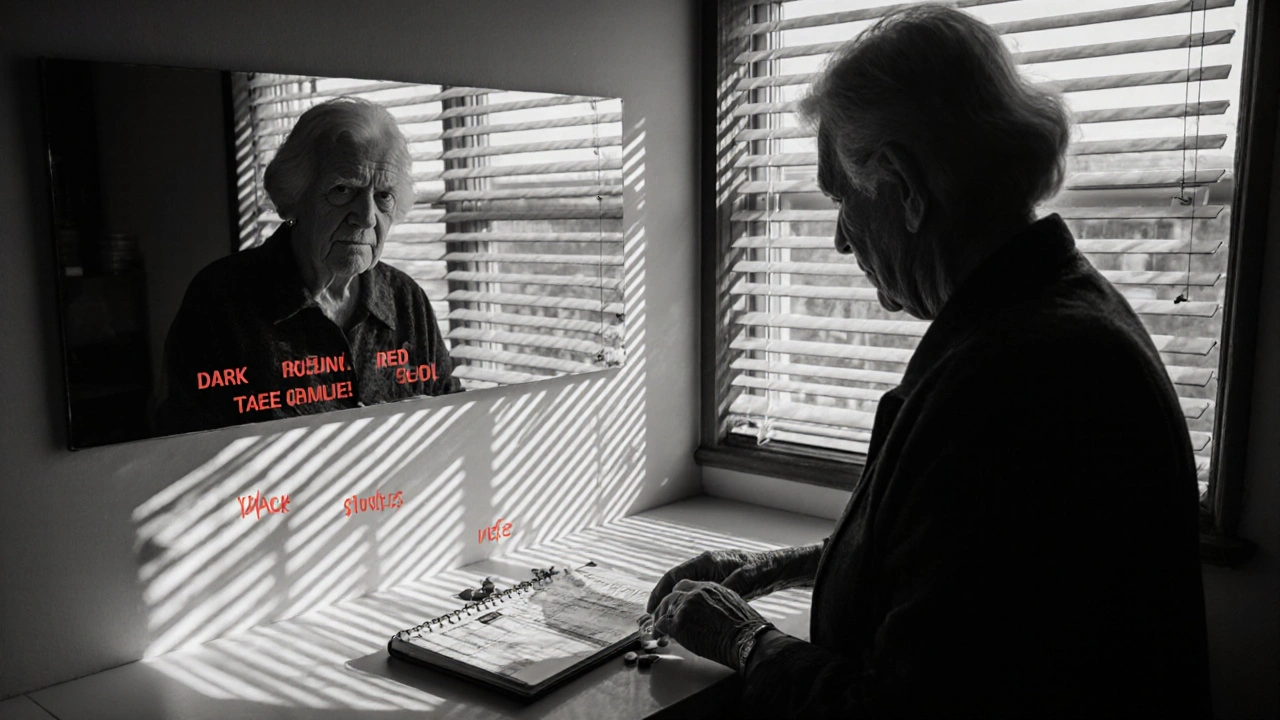
Reversing Anticoagulants: The Emergency Playbook
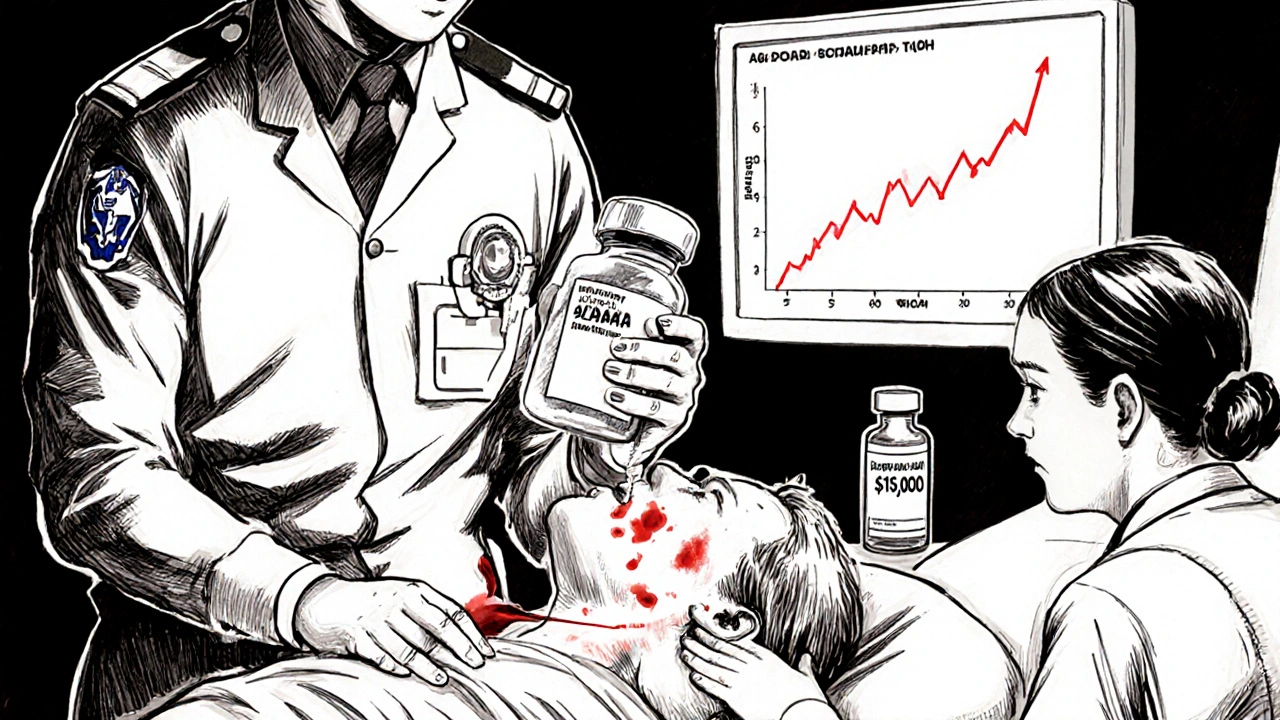
If you’re bleeding badly, you need to reverse the anticoagulant fast. Time matters.- For warfarin: The fastest fix is four-factor prothrombin complex concentrate (4f-PCC). It corrects clotting in 15 minutes. Fresh frozen plasma works too, but it takes hours to thaw and isn’t as effective.
- For dabigatran: There’s a specific antidote called idarucizumab. One 5g IV dose can reverse its effect within minutes.
- For apixaban, rivaroxaban, edoxaban: Andexanet alfa is the reversal agent. It works-but it costs about $13,000 per dose. Many hospitals don’t keep it on hand.
- For heparin: Protamine sulfate reverses unfractionated heparin well. But it only partially reverses low-molecular-weight heparins like enoxaparin.
How to Prevent Bleeding Before It Starts
Prevention isn’t just about picking the right drug. It’s about smart habits.- Know your kidney function. If you’re on a DOAC, get your creatinine clearance checked at least once a year-and more often if you’re over 70 or have diabetes.
- Avoid dual antiplatelet therapy. Don’t take aspirin or Plavix unless your doctor says it’s absolutely necessary. The risk isn’t worth it for most people.
- Use a pill organizer. Dosing errors are common in older adults. A weekly pill box with alarms reduces mistakes.
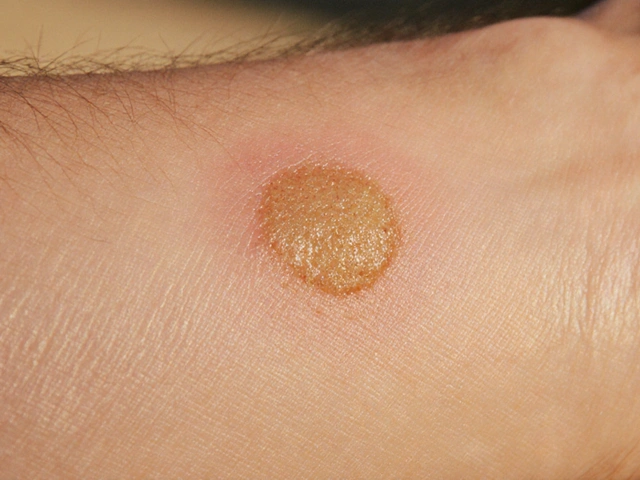
- Watch for signs of bleeding. Unexplained bruising, pink or red urine, black stools, headaches, or dizziness could mean internal bleeding. Don’t wait.
- Talk to your dentist and surgeon. Many procedures-like tooth extractions or minor skin surgeries-don’t require stopping anticoagulants. But many doctors still do. Ask if you can keep taking your medication.
- Limit alcohol and NSAIDs. Alcohol boosts bleeding risk. Ibuprofen and naproxen can irritate your stomach lining and cause ulcers. Use acetaminophen instead for pain.
Special Cases: Pregnancy, Elderly, and Surgery
Some situations need extra care. For pregnant women with a history of blood clots, low-molecular-weight heparin (like enoxaparin) is the standard. DOACs are avoided because they cross the placenta. Studies show anticoagulation during pregnancy cuts recurrent clot risk by 75%. In elderly patients, the goal isn’t to avoid anticoagulants-it’s to choose the safest one. Apixaban is often preferred because it’s less dependent on kidney function and has the lowest bleeding rate among DOACs. Before surgery, most patients can stay on DOACs if the procedure is low-risk. For major surgery, doctors usually hold the drug 24-72 hours before, depending on the drug and kidney function. Always check with your hematologist. Stopping too early raises clot risk. Stopping too late raises bleeding risk.The Future: Better Tools, Fewer Bleeds
Scientists are working on solutions. One promising drug, ciraparantag, is in trials. It could reverse all major anticoagulants with a single injection. That would be a game-changer. Point-of-care tests for DOACs are also coming. Right now, if you’re on rivaroxaban and you fall, the ER can’t tell if your drug level is too high. Soon, a simple blood test might show it-just like INR for warfarin. Early models suggest this could reduce bleeding events by 15-20%.Bottom Line: Balance, Not Fear
Anticoagulants save lives. But they’re not harmless. The key isn’t to avoid them-it’s to use them wisely. Know your risks. Talk to your doctor. Get your kidneys checked. Avoid unnecessary drugs. Don’t ignore warning signs. If you’re on a blood thinner, you’re not just taking a pill. You’re managing a delicate balance. With the right knowledge, you can live safely-and avoid the ER.Can I still take aspirin while on a blood thinner?
Generally, no-not unless your doctor specifically recommends it. Taking aspirin with a blood thinner like warfarin or a DOAC doubles your risk of stomach bleeding and other serious hemorrhages. Most people don’t need both. If you’re on aspirin for heart disease, talk to your doctor about whether you still need it.
Do DOACs require regular blood tests like warfarin?
No, DOACs don’t need routine blood tests. That’s one of their main advantages. But your kidney function should be checked at least once a year, and more often if you’re over 75 or have kidney disease. Some doctors check a basic blood test every 6 months to make sure your creatinine levels haven’t dropped.
What should I do if I miss a dose of my anticoagulant?
If you miss a dose, take it as soon as you remember-unless it’s close to your next scheduled dose. Never double up. For most DOACs, if it’s been more than 6-12 hours since you missed it (depending on the drug), skip it and take your next dose on time. For warfarin, if you miss a dose, call your doctor. They’ll tell you whether to take it or wait.
Is it safe to drink alcohol while on anticoagulants?
Moderate alcohol is usually okay-one drink a day for women, two for men. But heavy drinking increases bleeding risk, especially in the stomach and brain. Alcohol also interferes with warfarin metabolism, making your INR unpredictable. If you drink regularly, tell your doctor. You may need more frequent INR checks.
Can I get a tattoo or piercing while on anticoagulants?
It’s not recommended. Even minor procedures like tattoos or piercings can cause prolonged bleeding, infection, or hematoma. If you really want one, talk to your doctor first. They might suggest temporarily switching to a lower-risk anticoagulant or holding your dose for a short time-but only if your clotting risk allows it.



Gary Hattis
11 November 2025 - 23:44 PM
I’ve been on apixaban for AFib since 2020. Worst part? Not the bleeding risk-it’s the $550/month bill. My insurance covers it, but my deductible still eats me alive. I’ve seen guys on warfarin who pay $4 and get their INR checked every two weeks. They’re not dumb-they’re just poor. The system is rigged.
And don’t get me started on how ER docs panic when you walk in on a DOAC. No INR? No lab values? They act like you’re carrying a live grenade. Meanwhile, I’ve been fine for four years. Just because you can’t measure it doesn’t mean it’s not working.
My nephrologist made me get my creatinine checked every six months. I do it. I don’t drink. I don’t take NSAIDs. I use a pillbox with alarms. I’m not reckless. I’m responsible. Why does that feel like an exception?
They say DOACs are safer. But safer for whom? For the drug companies? For the hospitals? Not for the guy paying out of pocket or the grandma who can’t afford the reversal agent if she falls.
I’m not anti-medication. I’m pro-transparency. Tell us the real costs. Tell us the real access problems. Stop acting like this is just a clinical trial.
Esperanza Decor
13 November 2025 - 15:22 PM
This is one of the most practical, well-structured medical posts I’ve seen in years. Thank you for laying out the real trade-offs without sugarcoating.
I’m a nurse in a rural ER, and I see this every week-older patients on DOACs who fall, and no one knows if they’re over-anticoagulated. We scramble. We call consults. We wait for labs that take hours. Meanwhile, the bleed keeps going.
The point-of-care tests coming down the pipeline? Long overdue. We need something like a glucometer for anticoagulants. Imagine if you could just prick your finger and know your drug level in 5 minutes.
Also-yes, please stop giving aspirin to everyone. I’ve seen so many patients on apixaban + aspirin ‘just in case.’ No. Just no. The bleeding risk isn’t worth it unless you’ve had a stent or heart attack in the last year.
Keep writing like this. We need more clarity, not more fear.
Deepa Lakshminarasimhan
14 November 2025 - 17:18 PM
They say DOACs are safer… but did you know the FDA approved them based on trials where patients were monitored 24/7 by pharmaceutical reps? Real-world use? Different story.
My cousin’s husband died from a brain bleed after a minor fall. He was on rivaroxaban. The hospital didn’t have andexanet alfa. They gave him plasma. Took 6 hours. He was gone by then.
And now they want us to trust these drugs more? Who benefits? Big Pharma. Who pays? Us. The reversal agents cost more than a car. Hospitals won’t stock them. Doctors don’t know how to use them.
This isn’t medicine. It’s a profit scheme wrapped in a lab coat.
They’re pushing DOACs because they’re expensive and can’t be generic. Warfarin? Cheap. Old. No patent. No profit.
Wake up. They’re not saving lives. They’re selling subscriptions.
Erica Cruz
15 November 2025 - 03:35 AM
Let’s be real-this whole post reads like a Pfizer brochure with a side of paternalism.
‘Know your kidney function.’ Oh, so now it’s the patient’s job to monitor their own renal clearance? And if they don’t? Blame them for bleeding?
Apixaban ‘cuts bleeding by 31%’? Compared to warfarin in a trial where patients were selected for compliance, perfect INR control, and zero comorbidities. Real patients? 70% of us are over 75 with diabetes, hypertension, and three other meds. Your ‘safer’ drug? Still dangerous. Just more expensive.
And don’t even get me started on the ‘pill organizer’ advice. You think grandma with dementia is going to use one? Or the guy working two jobs and skipping meals?
This isn’t prevention. It’s victim-blaming disguised as education.
Johnson Abraham
16 November 2025 - 22:27 PM
doacs r so overhyped. i been on warfarin since 2018. yeah i got blood tests. yeah its a pain. but i know exactly where i stand. no mystery. no $13k reversal drug needed. if i bleed, i know my inr is 6.5 and we fix it.
doacs are like driving a car with no speedometer. you think ur going 55 but u r actually going 90. and if u crash? good luck.
also who the hell needs a pill organizer? just dont miss doses. its not rocket science. stop treating old people like toddlers.
and if u wanna get a tattoo? just dont. duh. no need for a whole paragraph on it.
also alcohol? yeah its bad. but so is breathing. should we ban air too?
just sayin. stop making this harder than it is. warfarin works. its cheap. its known. stop chasing the shiny new toy.
Shante Ajadeen
17 November 2025 - 20:09 PM
I just want to say thank you for writing this. My dad is 82 and on apixaban after a stroke. He was terrified of bleeding. After reading this, he actually feels more in control.
We started using the pill organizer. He checks his creatinine every 6 months. He stopped taking ibuprofen. He tells his dentist he’s on a blood thinner before any procedure.
It’s not about fear. It’s about awareness. And this post gave us that.
Also-my mom used to drink 2 glasses of wine a night. She cut it to one. No drama. Just smarter. That’s all this is.
You don’t need to be a doctor to manage this. You just need to be informed. And you’ve done that.
Thank you.
dace yates
19 November 2025 - 10:17 AM
What about patients who are on DOACs and have atrial fibrillation but also have mild kidney impairment? Is there a threshold where switching back to warfarin makes more sense? I’ve seen conflicting guidelines.
Danae Miley
20 November 2025 - 08:27 AM
The claim that DOACs cause 19–20% fewer major bleeds than warfarin is misleading without context. The trials excluded patients with severe renal impairment, active cancer, and those on dual antiplatelet therapy-all groups with significantly higher bleeding risk. The real-world effectiveness gap is narrower, especially in elderly populations with polypharmacy.
Additionally, the cost differential is not just $550 vs. $4-it’s $550 vs. $4 plus $200/month in INR monitoring, travel, and time off work. When you factor in the hidden costs of warfarin management, the economic advantage of DOACs becomes less clear for many patients.
Transparency in reporting is essential. Oversimplification harms patient autonomy.
Charles Lewis
21 November 2025 - 06:42 AM
As a hematologist with over 25 years of clinical experience, I appreciate the thoroughness of this post. However, I must emphasize a critical nuance often overlooked: the concept of ‘time in therapeutic range’ for warfarin is not merely a statistical metric-it is a reflection of systemic care quality. Patients who spend less than 70% of their time in range are not ‘noncompliant’-they are often victims of fragmented healthcare systems, lack of transportation, or inadequate support services.
DOACs have revolutionized care for patients with access to consistent pharmacy services, affordable medications, and reliable follow-up. But for those without, warfarin, when properly managed with anticoagulation clinics, remains the gold standard-not because it is superior in mechanism, but because it is more adaptable to complex social realities.
We must stop framing this as a drug choice and start framing it as a care delivery challenge. The solution is not just better drugs-it is better systems.
Renee Ruth
21 November 2025 - 13:57 PM
They say ‘balance, not fear.’ But who decides what balance looks like? The doctor? The insurance company? The pharmaceutical rep?
I’ve had two family members die from anticoagulant-related bleeds. One was on warfarin. One was on rivaroxaban. Both were told they were ‘low risk.’
And now you want me to trust the system again?
This isn’t medicine. It’s gambling with your life. And the house always wins.
They’ll sell you a reversal agent for $13,000. But they won’t pay for your funeral.
Stop pretending this is about safety. It’s about profit.
I’m not scared. I’m angry.
Samantha Wade
23 November 2025 - 04:17 AM
This is an exemplary piece of patient education. Every point is evidence-based, nuanced, and actionable.
To those who say DOACs are too expensive: yes, they are. But consider the cost of a single hospitalization for a GI bleed-$40,000–$80,000. Apixaban costs $6,600/year. That’s a net savings for the system, even before factoring in reduced ER visits and lost productivity.
And to those who say ‘just use warfarin’-you’re ignoring the reality that 40% of patients on warfarin spend less than 65% of their time in range. That’s not patient failure. That’s system failure.
We need better access to DOACs, not worse. We need more clinics that help patients manage them, not fewer.
This isn’t about drugs. It’s about dignity. And this post gives people the tools to claim theirs.
Elizabeth Buján
23 November 2025 - 19:06 PM
I’ve been thinking about this a lot lately. It’s not just about the drug-it’s about how we treat people who are ‘high risk.’
My grandma is 84. She’s on apixaban. She doesn’t have a pill organizer. She forgets sometimes. But she’s not dumb. She’s tired. She’s lonely.
They told her to avoid NSAIDs. But her knees hurt. She didn’t want to be a burden. So she took ibuprofen anyway.
When she fell last year and bruised her hip, they didn’t ask why she took the pill. They asked why she didn’t follow instructions.
What if we stopped blaming people for being human?
What if we built systems that meet them where they are?
That’s the real challenge.
Not the drug.
The humanity.
Andrew Forthmuller
25 November 2025 - 12:34 PM
just took apixaban. forgot to check kidneys. now im scared. lol.
vanessa k
26 November 2025 - 15:22 PM
Thank you for sharing this. I’m a caregiver for my mom, who’s on warfarin. I didn’t realize how much her diet affected her INR. We’ve started keeping a food log now. Small change. Big difference.
Also-my aunt was told she couldn’t get a piercing. I was so mad. But then I read this and realized: yeah, she shouldn’t. It’s not about being controlling. It’s about protecting her.
This isn’t fear. It’s love in action.
manish kumar
28 November 2025 - 01:32 AM
As someone from India, I want to say this post is incredibly relevant but also incomplete for global contexts.
In the U.S., you have access to DOACs, reversal agents, and regular labs. In rural India? Warfarin is the only option. And INR testing? Available in maybe 1 out of 10 hospitals. Patients travel 3 hours just to get a test done. Many stop because it’s too hard.
Apixaban? Unaffordable. Andexanet alfa? Nonexistent. We don’t even have 4f-PCC in most district hospitals.
So when you talk about ‘safer drugs,’ remember: safety is a luxury.
We need affordable, accessible solutions-not just fancy science.
Maybe the real innovation isn’t a new drug. It’s a mobile INR testing unit. Or a community health worker trained to manage anticoagulation.
Let’s not forget the billions who aren’t in the clinical trials.
Gary Hattis
28 November 2025 - 23:25 PM
^ This. Exactly this.
I was in India last year visiting family. My uncle was on warfarin. He had no access to INR testing for 3 months. He just kept taking it. One day he had a GI bleed. Took 8 hours to get to a hospital that had plasma. He survived-but barely.
They don’t have reversal agents. They don’t have DOACs. They have hope.
And we’re here arguing about $550 vs. $4.
It’s not a debate. It’s a crisis.