Many people wonder if generic medications are really the same as the brand-name versions they’ve been taking for years. You’re not alone. Even though generic medications make up 90% of all prescriptions filled in the U.S., doubts still linger. Some patients worry they’re getting a weaker version. Others fear side effects or think generics might not even contain the right medicine. These concerns are understandable - especially when a pill looks different or costs way less. But here’s the truth: if the FDA approved it, it works the same.
Are generic drugs really as effective as brand-name drugs?
Yes. Every generic drug must prove it delivers the same amount of active ingredient into your bloodstream at the same rate as the brand-name version. This is called bioequivalence. The FDA requires that the absorption level of the generic falls between 80% and 125% of the brand-name drug. That’s not a wide range - it’s tight enough to ensure your body responds the same way. A 2022 FDA report showed over 740 generic drugs were approved that year, all meeting these strict standards. You won’t get less relief, slower action, or weaker results.
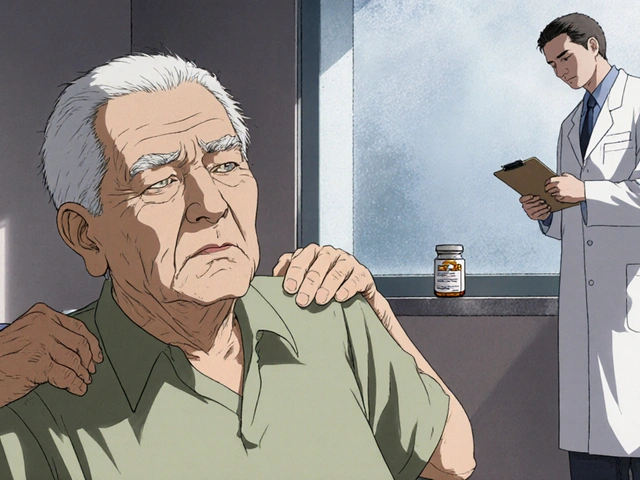
Some patients notice a difference after switching, but it’s rarely because the medicine doesn’t work. Often, it’s because the pill looks different - different color, shape, or size - and their brain associates that change with something being wrong. Or they might be experiencing side effects they didn’t notice before, simply because they’re paying more attention now. The active ingredient? Identical. The effect? The same.
What about safety? Are generics less safe?
No. Generic drugs are held to the exact same quality, purity, and strength standards as brand-name drugs. The FDA inspects the same factories - yes, even the ones that make brand-name drugs - that produce generics. In fact, about half of all generic medications are made by the same companies that make the original brand-name versions. You might be taking a generic made by Pfizer, Merck, or Novartis without even knowing it.
Some patients in rural areas have shared fears that generics contain "more synthetic stuff" to make them stronger, leading to headaches or dizziness. That’s a myth. Generics don’t have extra chemicals. They don’t have more of the active ingredient. They have the same amount, same formulation, same testing. Any side effects you feel are from the medicine itself, not because it’s generic.
Can I trust that generics contain the right medicine?
Every single generic drug must contain the exact same active ingredient as the brand-name version. No exceptions. The FDA doesn’t allow generics to skip this step. Counterfeit drugs? Those are illegal, unregulated products sold online or through shady pharmacies. Legitimate generics sold in U.S. pharmacies are not counterfeit. They’re approved, tested, and tracked. If you buy your medicine from a licensed pharmacy - whether it’s CVS, Walgreens, or your local independent pharmacy - you’re getting a real, FDA-approved generic.
Why do generics cost so much less?
Because they don’t have to repeat expensive clinical trials. When a brand-name drug is first developed, the company spends years and hundreds of millions of dollars on research, testing, and approval. Once the patent expires, other companies can make the same drug - without repeating those costly studies. They only need to prove their version works the same way in the body. That’s it.
Plus, once multiple companies start making the same generic, competition kicks in. Prices drop even further. On average, generics cost 80-85% less than brand-name drugs. Over the past decade, generics have saved the U.S. healthcare system more than $2.2 trillion. That’s not just a savings for insurers - it’s money back in your pocket. A typical prescription that once cost $150 might now cost $15 as a generic.
Do all generic drugs look the same as the brand?
No, and that’s okay. U.S. law says generics can’t look exactly like the brand-name version - so they change the color, shape, or markings. But the active ingredient? Still identical. The inactive ingredients - like fillers, dyes, or flavorings - might be different. That’s why a generic pill might be white instead of blue, or oval instead of round. These changes don’t affect how the drug works. They just make it visually different to avoid trademark issues.
Some people notice a slight difference in how a pill dissolves or tastes. That’s normal. But if you feel worse after switching - like increased dizziness, nausea, or lack of control over your condition - talk to your doctor or pharmacist. It’s not because the drug is inferior. It might be a reaction to a different filler, or your body needs time to adjust.
Are there exceptions? When should I stick with brand-name?
Yes. For a small group of medications called "narrow therapeutic index" drugs, even tiny differences in how the body absorbs the drug can matter. These include:
- Warfarin (a blood thinner)
- Levothyroxine (for thyroid conditions)
- Phenytoin and levetiracetam (for seizures)
For these, your doctor might recommend staying on one version - brand or generic - and sticking with it. If you switch, your provider may want to monitor your blood levels more closely for a few weeks. That’s not because generics are unsafe. It’s because these drugs have a very small window between the right dose and too much. Consistency matters.
But here’s the key: even for these drugs, switching from brand to generic is still safe - if done carefully and with monitoring. Many patients do it successfully every day.

Why do some people still refuse generics?
It’s not just about science. It’s about trust, experience, and culture. A 2014 study found that non-Caucasian patients were significantly more likely to ask for brand-name drugs - 56% compared to 43% for Caucasian patients. Many people learned from family or friends that "the real medicine" is the expensive one. Others had a bad experience years ago - maybe a generic didn’t work for someone they knew - and assumed it was the drug’s fault.
Pharmacists play a big role here. When you pick up a prescription, they can explain: "This is the same medicine, just cheaper. It’s FDA-approved. Here’s how it compares." That kind of conversation changes minds. But if no one explains it, fear fills the silence.
What should I do if I’m unsure about switching?
Ask questions. Talk to your pharmacist or doctor. Don’t assume the worst. Here’s what to ask:
- Is there a generic version of my medicine?
- Has it been approved by the FDA?
- Are there any special considerations for this drug?
- Can I try the generic and see how I feel?
If your doctor thinks it’s safe, they’ll write "Dispense as written" or "Do not substitute" on the prescription. That means the pharmacy must give you the brand name. But if they don’t write that, the pharmacy can legally switch you to the generic - and it’s often the best choice for your wallet and your health.
After switching, give it a few weeks. Track how you feel. Note any new side effects. Then follow up. Most people find no difference at all. Those who do usually find the generic works just as well - and costs a fraction of the price.
What’s the bottom line?
Generic medications are not second-rate. They’re not cheap copies. They’re scientifically proven, FDA-approved, and just as safe and effective as their brand-name counterparts. For 9 out of 10 prescriptions filled in the U.S., generics are the standard - and for good reason. They save billions every year without sacrificing quality.
If you’re hesitant, that’s okay. But don’t let fear stop you from saving money or getting the treatment you need. Talk to your pharmacist. Ask your doctor. Read the facts. You’re not taking a risk by choosing a generic - you’re making a smart, science-backed choice.
Are generic drugs as effective as brand-name drugs?
Yes. The FDA requires that generic drugs deliver the same amount of active ingredient into your bloodstream at the same rate as the brand-name version. This is proven through bioequivalence testing, which ensures the drug works the same way in your body. Generic drugs are not weaker or slower.
Can generics cause more side effects than brand-name drugs?
No. The active ingredient - the part that affects your body - is identical. Any side effects you experience are from the medicine itself, not because it’s generic. Sometimes, differences in inactive ingredients (like fillers or dyes) may cause minor reactions in rare cases, but these are not more common than with brand-name drugs.
Why do generic pills look different from brand-name ones?
U.S. law requires generics to look different to avoid trademark infringement. That means the color, shape, or markings may change - but the active ingredient and how it works in your body stay exactly the same. The difference is only cosmetic.
Are generic drugs made in the same factories as brand-name drugs?
Yes. About half of all generic drugs are manufactured by the same companies that make the original brand-name versions. The FDA inspects all facilities - whether they make brand or generic - using the same strict standards.
Should I avoid generics for certain medications?
For a small group of drugs called narrow therapeutic index medications - like warfarin, levothyroxine, and some seizure drugs - your doctor may recommend staying on one version to ensure stable blood levels. But even for these, switching from brand to generic is safe when done under medical supervision.
Can I trust generics bought from U.S. pharmacies?
Yes. Legally sold generics in the U.S. are FDA-approved and regulated. Counterfeit drugs come from unlicensed online sellers or foreign sources - not from licensed U.S. pharmacies. Always fill prescriptions at reputable, licensed pharmacies.
How do I know if my prescription was switched to a generic?
Your pharmacist will notify you if a generic is substituted. You can also check the label - generic drugs are listed by their generic name (e.g., "atorvastatin") instead of the brand name (e.g., "Lipitor"). The pill may also look different. If you’re unsure, ask your pharmacist.
Why do some doctors seem hesitant to prescribe generics?
Most doctors support generics. But with thousands of drugs and constant updates, some may not know when a new generic becomes available or which ones are covered by insurance. Pharmacists often help bridge this gap by suggesting cost-effective alternatives during medication reviews.
If you’re still unsure, don’t guess. Talk to your pharmacist. They’re trained to explain these differences - and they can help you make the best choice for your health and budget. Generics aren’t a compromise. They’re the standard - backed by science, approved by regulators, and trusted by millions.


Crystel Ann
15 January 2026 - 17:16 PM
My grandma switched to generic metformin last year and hasn’t had a single issue. She said the pill looks weird but her blood sugar’s more stable than ever. Sometimes it’s just about getting used to the new shape.
Sarah Mailloux
17 January 2026 - 08:06 AM
I used to be super skeptical too until my pharmacist sat me down and showed me the FDA paperwork. Same active ingredient. Same results. Just cheaper. Why pay extra for a logo?
Nilesh Khedekar
18 January 2026 - 08:50 AM
Oh wow, so now we’re supposed to trust the same companies that price-gouged us for 20 years? Funny how they suddenly become trustworthy once they stop putting their name on the bottle. And let’s not forget how many generics are made in India or China-no offense, but I’d rather pay more for something made where regulations aren’t a suggestion.
RUTH DE OLIVEIRA ALVES
19 January 2026 - 23:51 PM
It is imperative to underscore that the United States Food and Drug Administration maintains stringent, non-negotiable standards for bioequivalence, purity, and manufacturing consistency across all pharmaceutical products, regardless of branding. The assertion that generics are inferior is not merely incorrect-it is scientifically indefensible.
Jan Hess
20 January 2026 - 14:51 PM
Generics saved my life literally. I was choosing between meds and rent. Now I take my blood pressure pill for $4 and I’m not dying. Stop acting like this is some shady scam. It’s not. It’s common sense.
Jaspreet Kaur Chana
20 January 2026 - 15:15 PM
Let me tell you something from India where we’ve been using generics for decades-my uncle took the same generic warfarin for 12 years, his INR was always perfect, and he never had a clot or a bleed. People here call brand names ‘luxury pills’ because why would you pay five times more for the exact same chemical? The fear is cultural, not scientific. We don’t have the luxury of brand loyalty when you’re feeding six kids on one salary.
Haley Graves
21 January 2026 - 22:29 PM
If you’re still worried, ask your pharmacist for the manufacturer’s name on the bottle. If it’s Pfizer or Teva or Mylan, you’re already taking a product from the same company that made the brand. Stop letting fear dictate your health choices.
Gloria Montero Puertas
23 January 2026 - 14:27 PM
Oh, so now we’re supposed to believe that the FDA, which approved Vioxx and OxyContin, is suddenly the guardian of pharmaceutical integrity? And you expect me to trust a pill that looks like a Tic Tac with no brand name? Please. I’ll take my $150 brand-name pill thank you very much-and I’ll take my chances with the marketing.
Tom Doan
25 January 2026 - 11:37 AM
Interesting. The post cites FDA data, bioequivalence ranges, and cost savings-but ignores the psychological and physiological variability in patient response across populations. While statistically negligible, individual cases of therapeutic failure do occur with generics, particularly with narrow therapeutic index drugs. The dismissal of patient-reported differences as ‘placebo effect’ is both reductive and potentially dangerous. Science doesn’t invalidate lived experience.