SSRI Bleeding Risk: What You Need to Know About Antidepressants and Bleeding
When you take an SSRI, a type of antidepressant that increases serotonin levels in the brain to help with depression and anxiety. Also known as selective serotonin reuptake inhibitor, it’s one of the most commonly prescribed mental health medications in the U.S. But many people don’t realize SSRIs can raise your risk of bleeding — even if you’re not on blood thinners. This isn’t rare. Studies show people on SSRIs have up to a 50% higher chance of gastrointestinal bleeding or bruising easily compared to those not taking them. The risk goes up even more when you combine SSRIs with NSAIDs like ibuprofen or aspirin, or with actual anticoagulants like warfarin or Eliquis.
The reason? SSRIs affect platelets — the tiny blood cells that help clots form. Serotonin isn’t just a mood chemical; it’s also stored in platelets and helps them stick together when you get a cut. When SSRIs block serotonin reuptake in the brain, they also lower serotonin levels in platelets. That makes platelets less sticky, so bleeding takes longer to stop. This isn’t just about nosebleeds or cuts. It can lead to serious internal bleeding, especially in older adults, people with liver disease, or those with a history of ulcers. If you’re on an SSRI and notice unexplained bruising, nosebleeds that won’t stop, or dark, tarry stools, talk to your doctor. You don’t have to stop the medication, but you might need to adjust what else you’re taking.
This risk isn’t the same for every SSRI. Some, like fluoxetine and paroxetine, seem to have stronger effects on platelets than others like sertraline or escitalopram. And it’s not just about the drug itself — it’s about what else you’re using. For example, if you’re on warfarin, a blood thinner used to prevent dangerous clots, adding an SSRI can push your INR levels into dangerous territory. Even NSAIDs, common pain relievers like ibuprofen and naproxen, can team up with SSRIs to increase bleeding chances. That’s why doctors often check your full medication list before prescribing an SSRI, especially if you’re over 65 or have a history of stomach issues.
What you’ll find in the posts below are real, practical guides that connect the dots between antidepressants and bleeding risks. You’ll see how SSRIs interact with blood thinners, what symptoms to watch for, and how to manage your meds safely without giving up the mental health benefits. Some posts look at how common drug combinations increase bleeding risk, while others show you how to spot early signs of trouble. Whether you’re on an SSRI yourself, caring for someone who is, or just trying to understand why your doctor asked about your painkillers — this collection gives you the facts you need to stay safe.
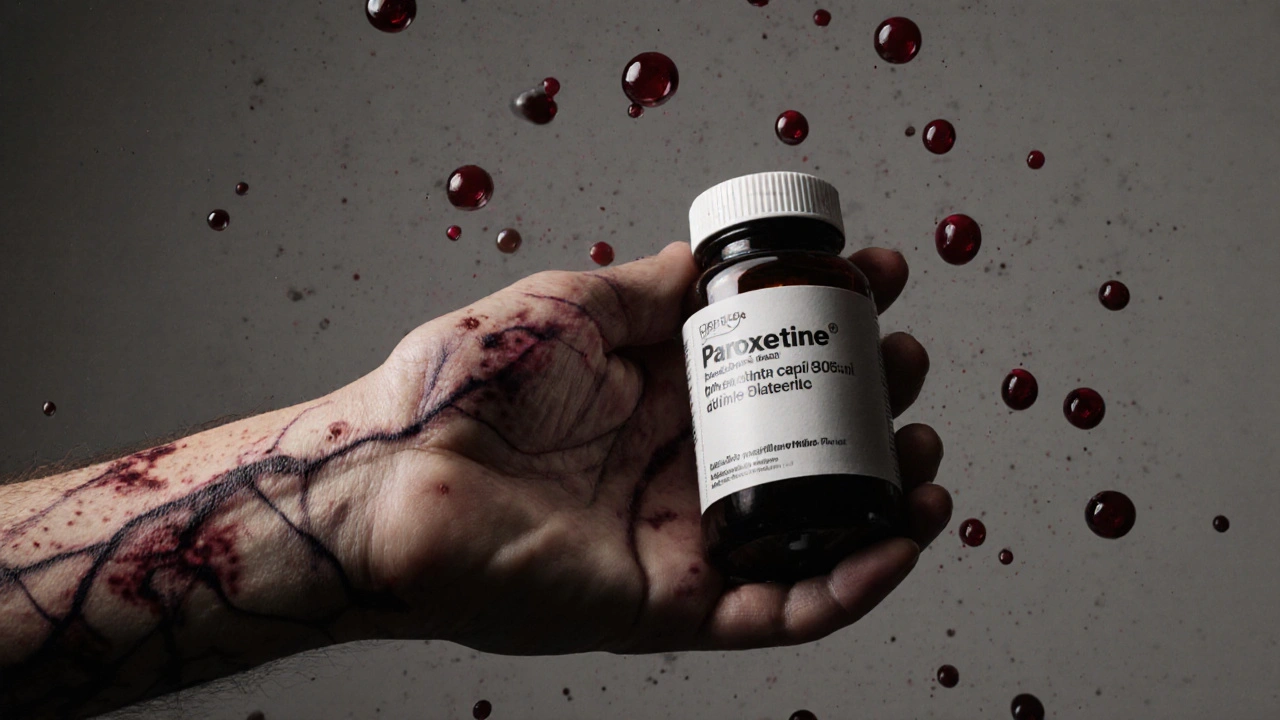
Bleeding Risk from SSRIs: How Platelet Dysfunction Increases Bleeding Danger
SSRIs can increase bleeding risk by disrupting platelet function. Learn which antidepressants carry the highest risk, how to reduce danger, and what to watch for if you're on these medications.
Read More