Generic vs Brand Medications: What You Really Need to Know
When you pick up a prescription, you might see two options: a generic drug, a medication with the same active ingredient as a brand-name version but sold under its chemical name. Also known as non-branded medication, it is often much cheaper and just as effective. Or you might get the brand name drug, the original version developed by a pharmaceutical company and sold under a trademarked name. Also known as innovator drug, it usually costs more because of research, marketing, and patent protection. The big question isn’t whether they work the same—it’s why the price difference exists, and whether you’re paying for real differences or just the label.
Here’s the truth: every generic drug must meet the same FDA standards as the brand version. Same active ingredient. Same strength. Same way it’s taken. Same quality control. The only allowed differences are in color, shape, or inactive ingredients like fillers—which rarely affect how the drug works. But here’s where things get messy: sometimes, the same generic from two different makers behaves slightly differently in your body. Why? Because of how the drug is absorbed. The FDA allows a small range of variation, and while it’s usually harmless, it can matter for drugs with narrow therapeutic windows—like blood thinners, thyroid meds, or seizure drugs. That’s why your doctor might stick with a brand or a specific generic brand if you’ve had stable results.
And then there’s the money. Brand drugs cost more because the company paid to develop them. Once the patent expires, other companies can make the same drug. But here’s the twist: more generic makers don’t always mean lower prices. If only one or two companies make a generic, they can keep prices high. That’s why some generics suddenly spike in cost—because the market collapsed. You’ll see this in posts about generic drug competition, how multiple manufacturers influence pricing and supply chains in the pharmaceutical market and why drug pricing, the cost of medications influenced by patents, manufacturing, and market control doesn’t always follow logic. Some of the cheapest generics are the most widely used. Others? You’ll pay more than you expect.
What you’ll find in the posts below isn’t just theory. It’s real-world examples: how Paragraph IV certification, a legal pathway for generic manufacturers to challenge brand patents and enter the market sooner drives down prices, how generic pharmaceuticals, medications that are chemically identical to brand-name drugs but sold without trademark protection sometimes face shortages, and why your insurance might push you toward one version over another. You’ll also see how these decisions affect people on long-term meds—for heart disease, depression, diabetes, asthma. No fluff. Just what works, what costs, and what you need to ask your pharmacist.
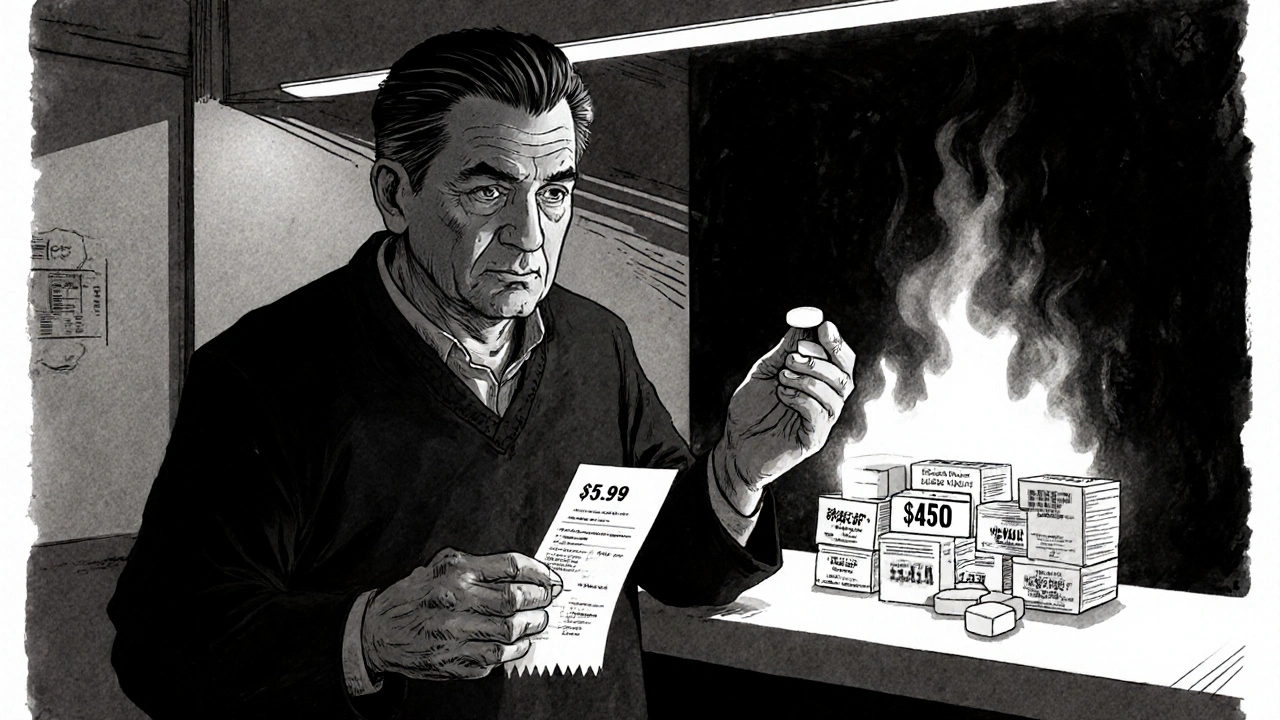
How Generic Medications Save Thousands on Healthcare Costs
Generic medications save billions annually in the U.S. healthcare system, offering the same effectiveness as brand-name drugs at up to 90% lower cost. Learn how generics work, where to find the best prices, and why they’re essential for affordable care.
Read More