Antimalarial QT Prolongation: Risks, Drugs, and What You Need to Know
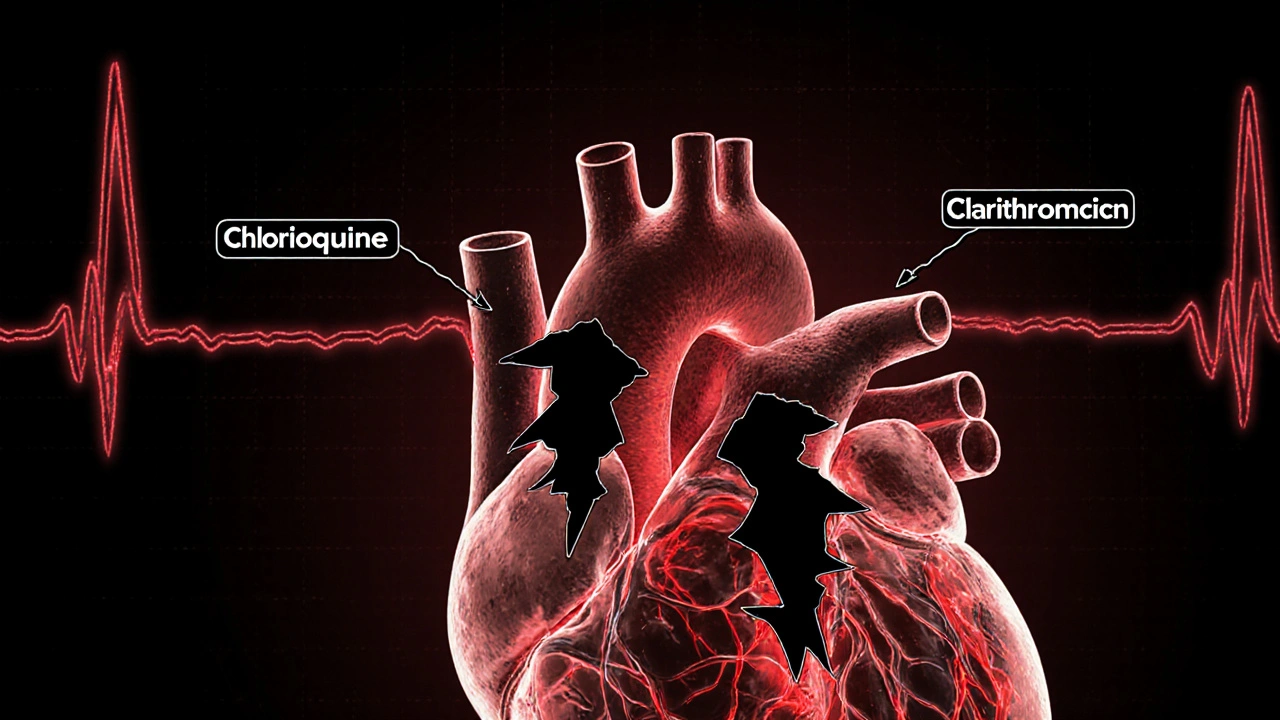
When you take an antimalarial, a medication used to prevent or treat malaria, often prescribed for travelers or in endemic regions. Also known as antimalarial drugs, these compounds work by killing the parasite in your blood—but some can quietly disrupt your heart’s electrical rhythm. This disruption is called QT prolongation, a delay in the heart’s repolarization phase that can lead to irregular, sometimes deadly, heartbeats. It’s not something you feel right away. No chest pain. No dizziness. Just a silent change on an ECG that could spiral into torsades de pointes—a life-threatening arrhythmia.
Not all antimalarials do this, but the big ones do. Chloroquine and hydroxychloroquine are the most common culprits. Used for decades, they’re cheap and effective against malaria, but they also block potassium channels in heart cells. That’s what stretches out the QT interval. Quinine, an older antimalarial still used in severe cases, especially in parts of Africa and Asia. It carries the same risk. Even mefloquine, a drug taken weekly to prevent malaria. has been linked to heart rhythm issues, though less often. These aren’t theoretical risks. Real cases have been documented in people with no prior heart problems, especially when they took high doses, combined the drug with other QT-prolonging meds, or had low potassium or magnesium levels.
Who’s most at risk? Older adults. People with existing heart conditions. Those on diuretics or antidepressants that also affect the QT interval. And anyone taking multiple medications at once. It’s not just about the antimalarial—it’s about the whole picture. A simple blood test for electrolytes, a quick review of your meds, and an ECG if you’re high-risk can prevent disaster. Many people assume if a drug is approved, it’s safe for everyone. But safety isn’t one-size-fits-all. The FDA has issued warnings. Doctors know this. You should too.
What you’ll find below are real-world guides on how to spot hidden dangers in medications, how drug interactions can turn a safe treatment risky, and how to use public safety databases to check for reports of side effects like QT prolongation. You’ll see how generics, patent challenges, and even storage conditions tie into drug safety. This isn’t theory. These are the tools people use to protect themselves when taking drugs that can affect their heart.
Antimalarial Medications: QT and CYP Interactions You Need to Know
Antimalarial drugs like hydroxychloroquine and lumefantrine can dangerously prolong the QT interval and interact with common medications through CYP enzymes. Learn which combos to avoid and how to stay safe.
Read More