Sound Therapy for Tinnitus: What Works and What Doesn't
When you hear ringing, buzzing, or hissing in your ears with no outside source, you're dealing with sound therapy for tinnitus, a non-drug approach that uses external sounds to reduce the perception of internal ear noise. Also known as tinnitus masking, it doesn’t cure the condition—but for millions, it makes the noise less overwhelming and easier to live with. Unlike pills or surgery, this method works by rewiring how your brain pays attention to the sound. It’s not magic. It’s neuroscience.
The most common tools are white noise, a steady, flat sound like static or rainfall that drowns out the sharpness of tinnitus, and notched music, a type of audio therapy that removes frequencies matching your tinnitus pitch to train your brain to ignore it. These aren’t just apps you download—they’re used in clinics and prescribed by audiologists. Some people use bedside sound machines, others wear small devices that look like hearing aids. The goal isn’t to silence the tinnitus completely, but to make it fade into the background, like a radio left on in another room.
What doesn’t work? Loud music played through headphones to drown it out. That can make things worse. Same with silence. Many think turning off all sound helps, but the brain then focuses harder on the ringing. That’s why therapy works best when you’re not trying to fight it. It’s about distraction, not elimination. People who stick with it—using sound daily for weeks—often report better sleep, less anxiety, and fewer panic moments when the noise spikes.
You’ll find real stories in the posts below. Some users tried sound therapy after trying every pill, supplement, and ear drop. Others used it alongside hearing aids or cognitive therapy. Not every method works for everyone, but the common thread? Consistency. The right sound, played regularly, gives your brain a new habit to follow. That’s why you’ll see posts about white noise machines, apps that customize tones, and even how to use fans or aquariums as low-cost tools. No hype. Just what people actually tried—and what changed their daily life.
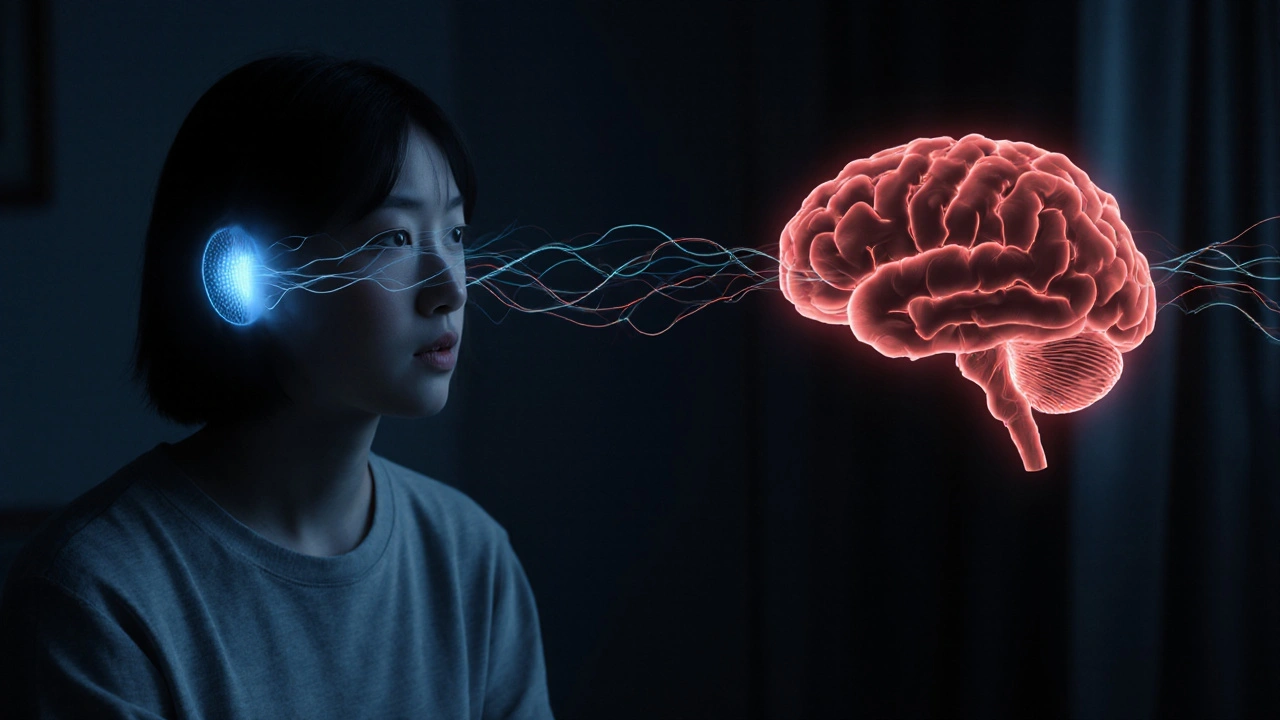
Tinnitus Retraining Therapy: How Habituation and Sound Therapy Reduce Tinnitus Distress
Tinnitus Retraining Therapy (TRT) uses counseling and sound therapy to help your brain stop reacting to tinnitus as a threat. It doesn't silence the noise-but it can make it stop bothering you.
Read More