How to Use Naloxone: Emergency Rescue for Opioid Overdose
When someone overdoses on opioids, every second counts. naloxone, a life-saving medication that blocks opioid effects in the brain. Also known as Narcan, it can bring someone back from the edge of death if given in time. It doesn’t work on alcohol, benzodiazepines, or stimulants — only opioids like heroin, fentanyl, oxycodone, and prescription painkillers. If someone is unresponsive, not breathing normally, or has pinpoint pupils, naloxone might be the difference between life and death.
You don’t need to be a doctor to use it. Naloxone comes in two easy forms: a nasal spray and an auto-injector. The nasal spray is the most common — you just tilt the head back, insert the nozzle, and press the plunger. No needles, no training required. The auto-injector talks you through the steps: place it on the outer thigh, press, and hold. Both work in 2 to 5 minutes. If the person doesn’t wake up after 3 minutes, give a second dose. Keep giving doses every 3 minutes until help arrives or they breathe normally again.
Even if they wake up, they’re not out of danger. Naloxone wears off faster than most opioids. Someone could slip back into overdose once it wears off. That’s why calling 911 is non-negotiable — even if they seem fine. Emergency responders can monitor them, give more naloxone if needed, and treat complications like lung damage or heart rhythm problems.
Many people carry naloxone now — family members of those on opioids, harm reduction workers, even teachers and librarians. It’s legal to carry in all 50 states, and you can often get it for free at pharmacies or community clinics. No prescription is needed in most places. Keep one in your car, your bag, or your medicine cabinet. You never know when you’ll need it.
Some worry that having naloxone encourages drug use. That’s not true. Studies show people who carry it are more likely to call for help, not less. It doesn’t cure addiction — but it saves lives so people can get help later. It’s not about enabling. It’s about giving someone a second chance.
There are things you shouldn’t do. Don’t wait to see if they "just need to sleep." Don’t pour cold water on them. Don’t try to make them walk it off. And don’t assume one dose is enough. Fentanyl is 50 to 100 times stronger than morphine — it takes more naloxone to fight back. If you’re unsure, give it anyway. It won’t hurt someone who didn’t take opioids.
Below, you’ll find real-world guides on how to store naloxone properly, what to do after giving it, how it interacts with other meds, and how to recognize signs of overdose before it’s too late. These aren’t theoretical articles — they’re written by people who’ve seen the aftermath, helped families, and trained others to act fast. This is the kind of info that keeps people alive.
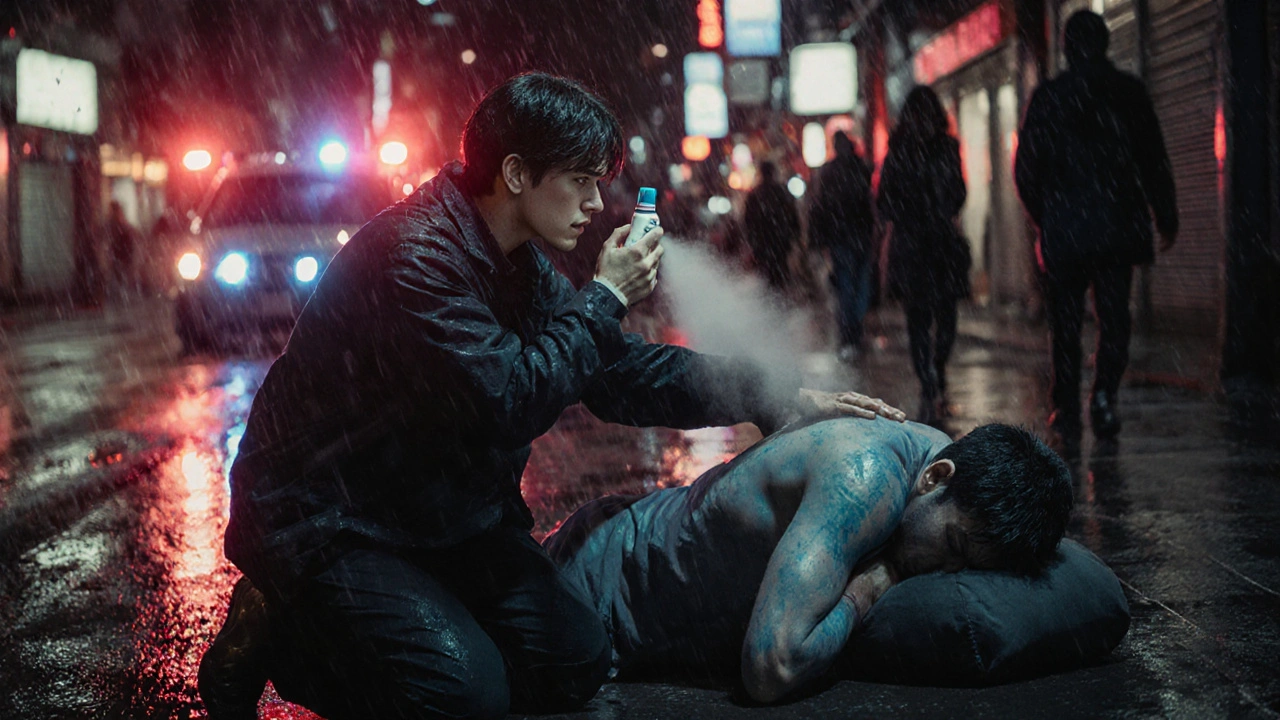
How to Use Naloxone Nasal Spray for Opioid Overdose: A Step-by-Step Guide
Learn how to use naloxone nasal spray to reverse an opioid overdose in minutes. Step-by-step guide for families, friends, and community members with real-world tips and facts.
Read More