Desiccants for Medication: What They Are and Why They Matter
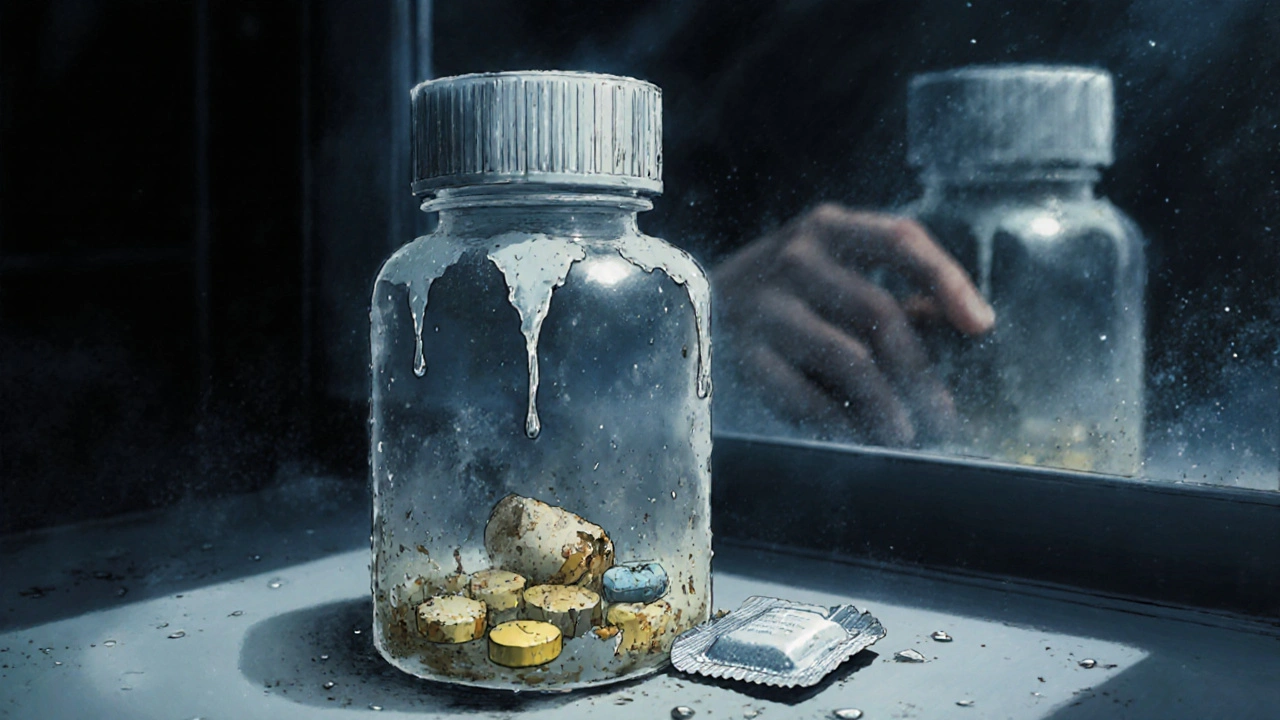
When you open a bottle of pills, you might notice a small packet labeled desiccants for medication, substances that absorb moisture to protect pharmaceutical products from degradation. Also known as drying agents, these tiny packs aren’t just filler—they’re critical to keeping your medicine safe and effective. Moisture is one of the biggest enemies of pills, capsules, and powders. Even a little humidity can cause tablets to break down, capsules to stick together, or powders to clump. That’s where desiccants step in.
silica gel packets, the most common type of desiccant used in medicine packaging. Also known as silica beads, they’re non-toxic, chemically stable, and can hold up to 40% of their weight in water. You’ve probably seen them in vitamin bottles, antibiotic packs, or even shoeboxes. But in pharmaceuticals, their role is serious. A single pill exposed to moisture can lose potency or become unsafe. For example, some antibiotics like amoxicillin degrade fast in humid conditions. Desiccants keep the inside of the bottle dry, extending shelf life and protecting your health.
Not all desiccants are the same. While silica gel is the go-to for most meds, some high-sensitivity drugs use montmorillonite clay, a natural mineral that absorbs moisture even better than silica in extreme conditions. Others use calcium oxide or molecular sieves, especially in injectables or biologics that need ultra-low humidity. The choice depends on the drug’s chemistry, storage requirements, and how long it needs to stay stable. The FDA and other global regulators require manufacturers to prove their packaging keeps moisture below safe levels—often under 5% relative humidity.
It’s not just about the packet. The bottle itself matters. Glass with tight seals works better than plastic. Some high-end meds come in blister packs with aluminum backing and desiccants built right into the tray. Even the label can affect moisture—some inks and adhesives attract water. That’s why you shouldn’t transfer pills to a pill organizer unless it’s sealed and dry. Leaving them in a bathroom cabinet? Bad idea. Humidity from showers can ruin them faster than you think.
Desiccants also help prevent microbial growth. Mold and bacteria thrive in damp environments. If your medicine gets moist, it could grow harmful organisms—even if it still looks fine. That’s why expired meds aren’t just weak—they can be dangerous. Desiccants reduce that risk by keeping the environment hostile to bugs and mold.
And yes, you should never eat those little packets. They’re not candy. While silica gel is non-toxic, swallowing one can still cause choking or stomach upset. Keep them away from kids and pets. If you find one in your medicine, toss it after opening the bottle—don’t reuse it. Once it’s absorbed moisture, it’s spent.
Behind every pill you take, there’s a quiet battle against moisture. Desiccants are the unsung heroes. They don’t cure anything. But without them, your meds wouldn’t work as they should. That’s why every bottle, every blister pack, every box with a tiny packet inside is designed with one goal: keep your medicine dry, stable, and safe.
Below, you’ll find real-world guides on how packaging affects drug safety, what happens when moisture sneaks in, and how to spot when your meds might be compromised. These aren’t theory pieces—they’re practical checks you can use every day.
How to Prevent Moisture Damage to Pills and Capsules: A Practical Guide for Safe Storage
Learn how to prevent moisture damage to pills and capsules with practical storage tips, desiccant use, coating info, and where to keep meds safely. Protect your health and medication effectiveness.
Read More