AI Eye Screening: How Artificial Intelligence Is Changing Eye Health Detection
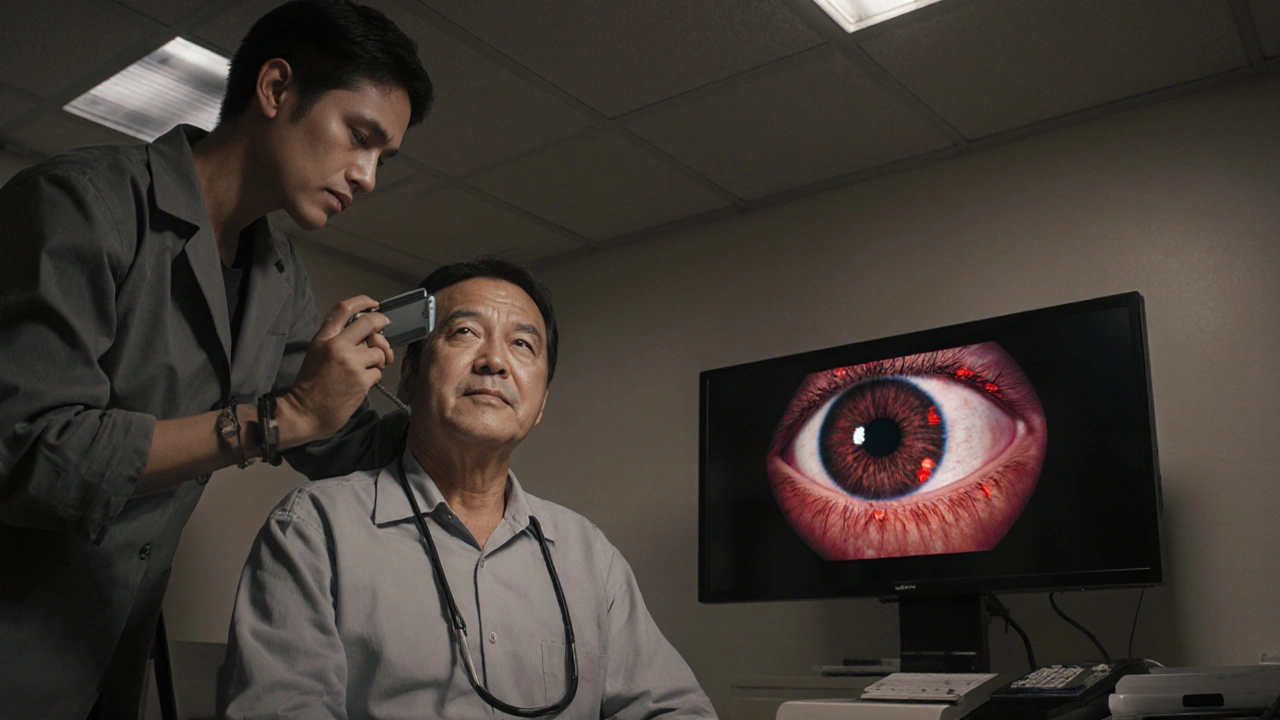
When it comes to catching eye diseases early, AI eye screening, a technology that uses machine learning to analyze retinal images for signs of disease. Also known as automated retinal analysis, it’s not science fiction—it’s already in clinics, pharmacies, and even mobile health units across the country. Unlike traditional eye exams that require a specialist, AI eye screening can spot problems like diabetic retinopathy, glaucoma, and macular degeneration in seconds, using just a simple photo of the back of the eye. This isn’t about replacing doctors—it’s about giving more people access to early detection, especially in places where eye specialists are hard to find.
What makes this different is how it works behind the scenes. The system learns from thousands of labeled retinal scans—some showing healthy eyes, others with early signs of damage—and builds a model that can recognize patterns invisible to the human eye. For example, a tiny swelling in the retina, or a slight change in blood vessel shape, might mean trouble down the road. AI catches those before you feel any vision loss. And it’s not just for diabetics. Studies show it works just as well for detecting early glaucoma and age-related macular degeneration, two leading causes of blindness that often sneak up without symptoms.
This tech is especially powerful when paired with other health tools. Think of someone with diabetes who gets their blood sugar checked monthly but skips annual eye exams because they live far from a clinic. With a portable AI eye scanner at a local pharmacy or community center, they can get screened during a routine visit—no appointment needed. The results go straight to their doctor, who can decide if action is needed. It’s fast, cheap, and it removes one of the biggest barriers to care: access.
And it’s not just about spotting disease. AI eye screening helps track progression over time. A patient with mild retinopathy can get scanned every few months, and the system compares new images to old ones, flagging even tiny changes. That means treatment can start earlier, before vision is damaged. For older adults managing multiple conditions, this kind of continuous monitoring reduces hospital visits and prevents avoidable blindness.
Some people worry about errors, but the best systems now match or beat human experts in accuracy—especially for common conditions. They don’t replace judgment, but they give doctors a second, data-driven opinion. And when you combine this with tools like retinal imaging, digital photographs of the retina used to detect abnormalities, or machine learning for eye disease, algorithms trained to identify patterns linked to specific eye conditions, the result is a system that’s smarter, faster, and more scalable than ever before.
What you’ll find in the posts below isn’t just theory—it’s real-world insights. From how AI screening fits into pharmacy-based health programs, to why some patients still miss out despite the tech being available, to how it connects with other health risks like high blood pressure and kidney disease. These aren’t generic articles. They’re practical, no-fluff guides written for people who want to understand what’s happening with their eyes—and how technology is helping protect their vision before it’s too late.
Diabetic Eye Screening: How Often You Need It and How Teleophthalmology Is Changing the Game
Diabetic eye screening saves vision. Learn when and how often to get screened, how teleophthalmology is making it easier, and why skipping exams puts your sight at risk.
Read More